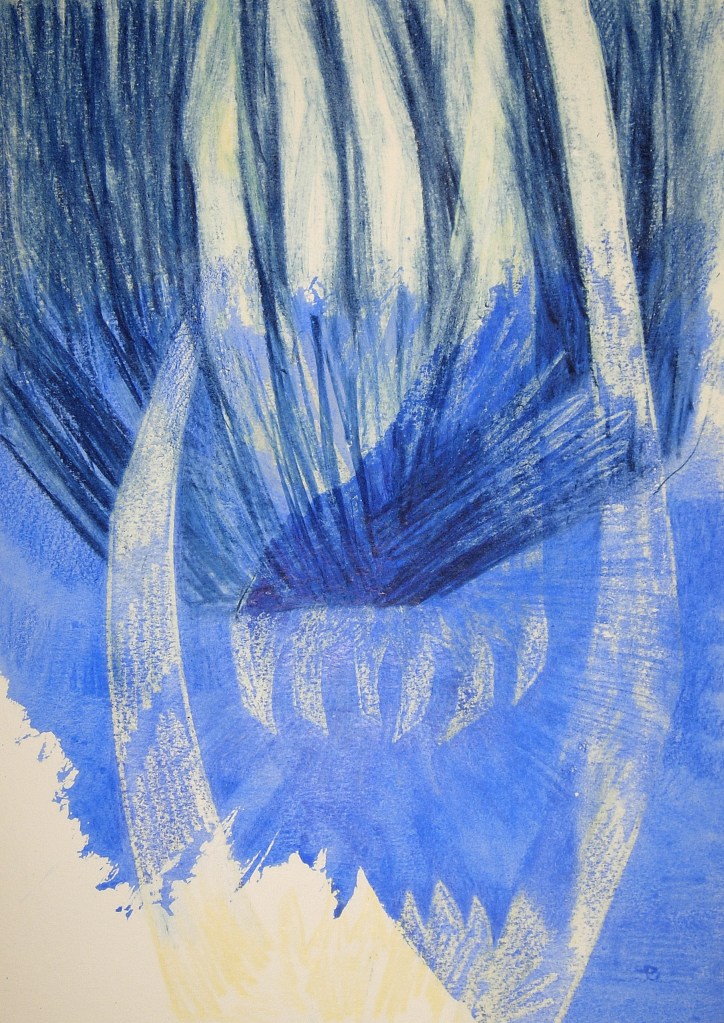
VENUSES
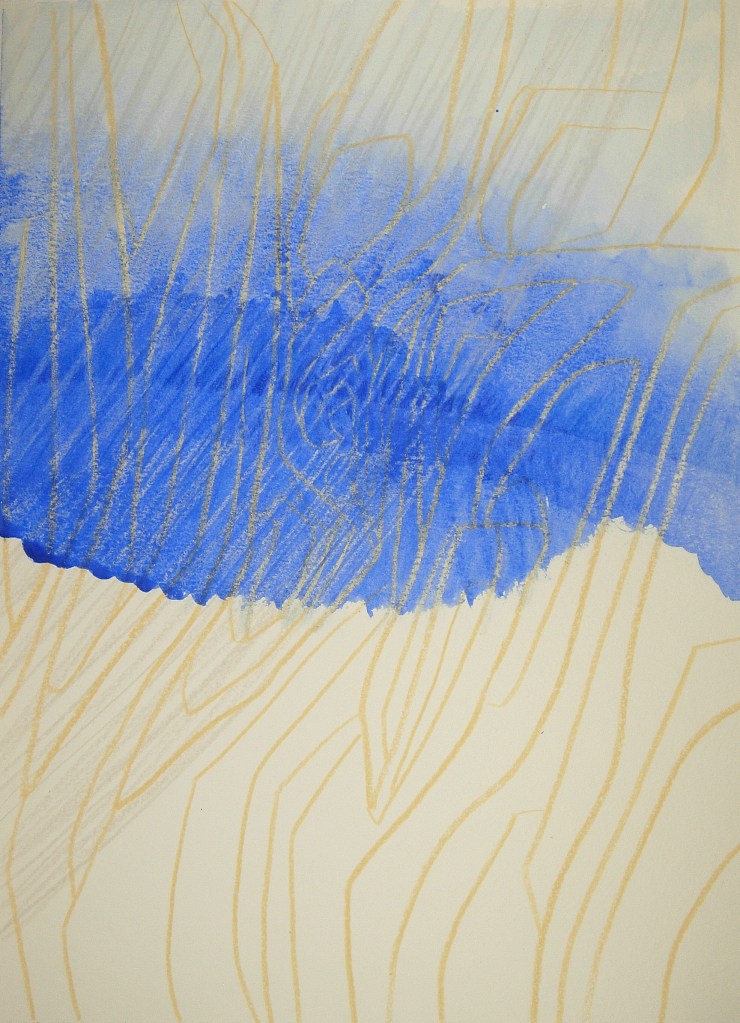
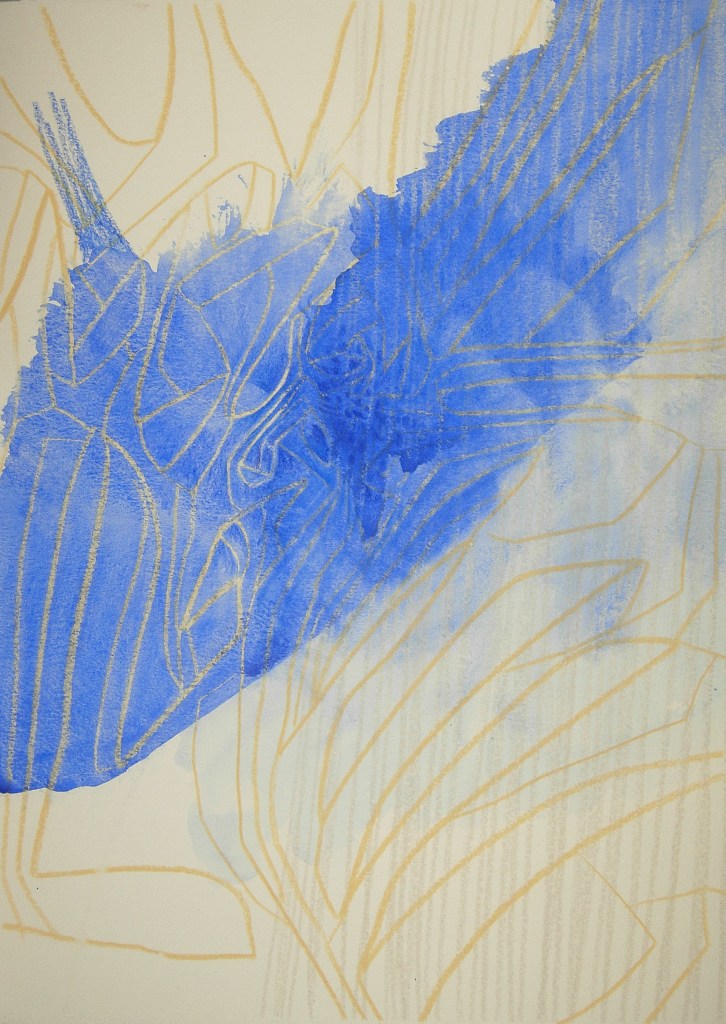
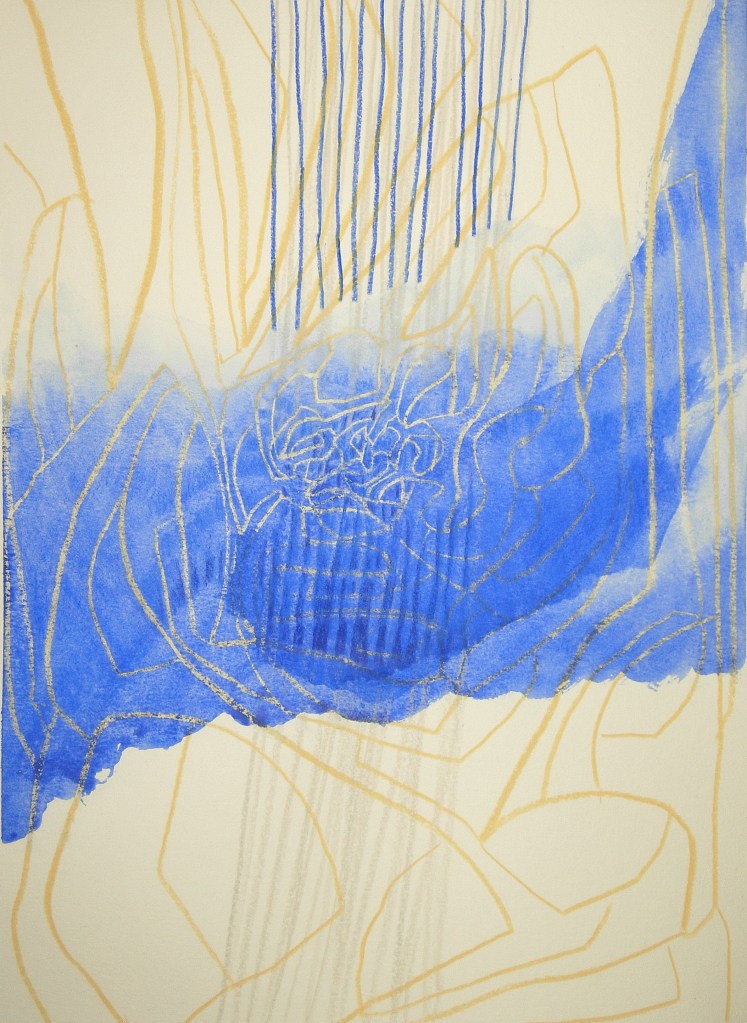
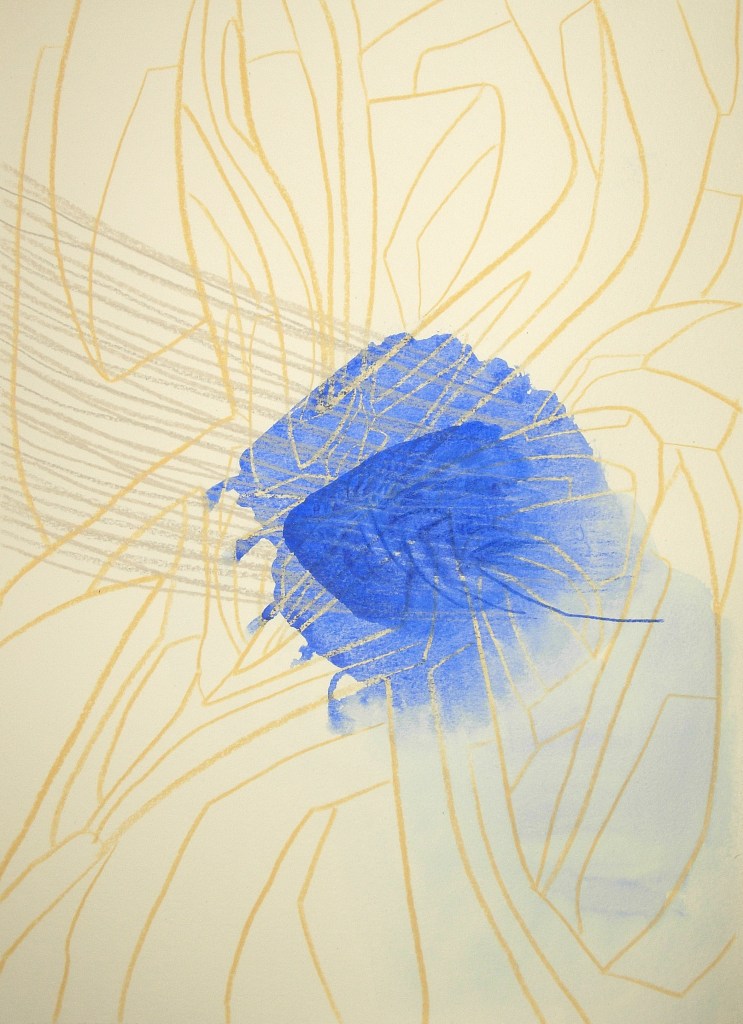
The cobalt blue used traditionally for the blue-and-white porcelain is a pigment made by sintering cobalt oxide with aluminium oxide and it is extremely stable. The ore from which it is made was originally extracted in the Persian mountains and imported into China. By the eighth century, qinghua wares (underglaze blue) were exported throughout Asia and into the Islamic world through the Silk Road. In 1487, Lorenzo de Medici, il Magnifico, ruler of Florence, received Chinese porcelain as a gift and soon the prized ceramic found its place on the European noblesse’s dining tables. Finally, from the late seventeenth century on, it gradually penetrated the North American market and eventually ended on art collectors’ walls and in museums showcases.
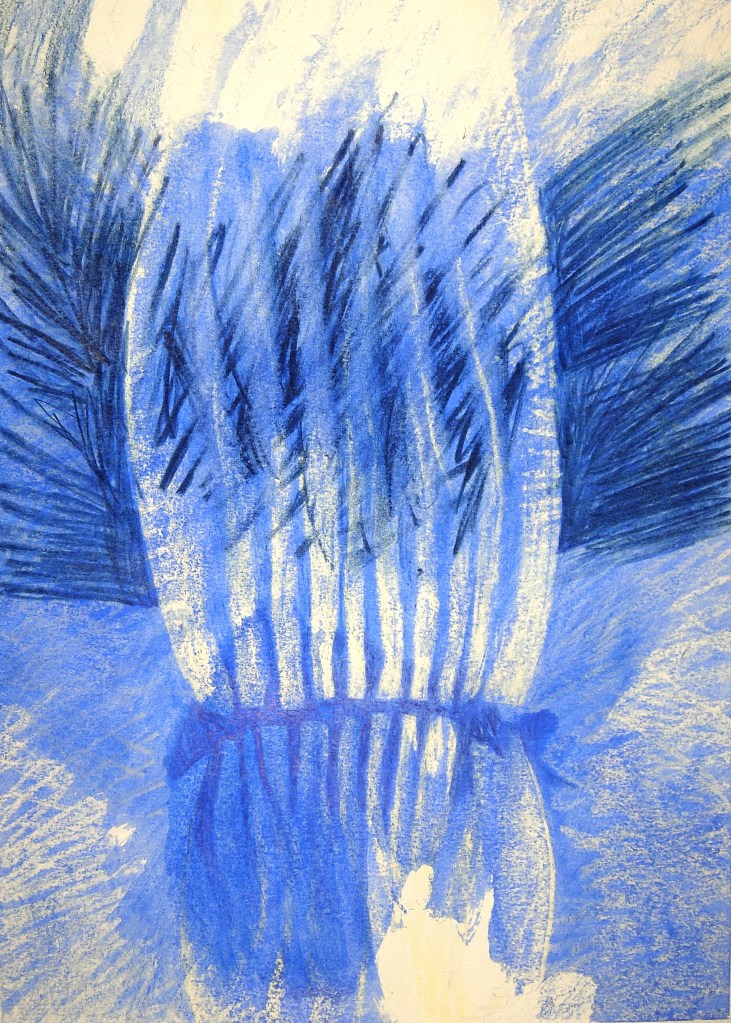
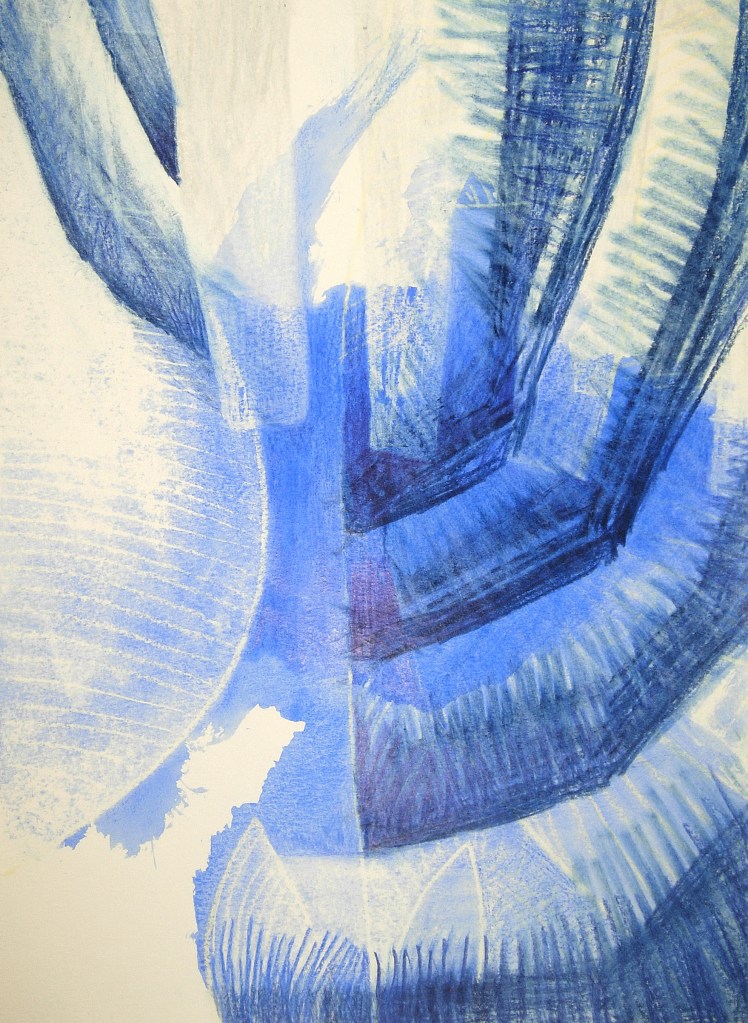
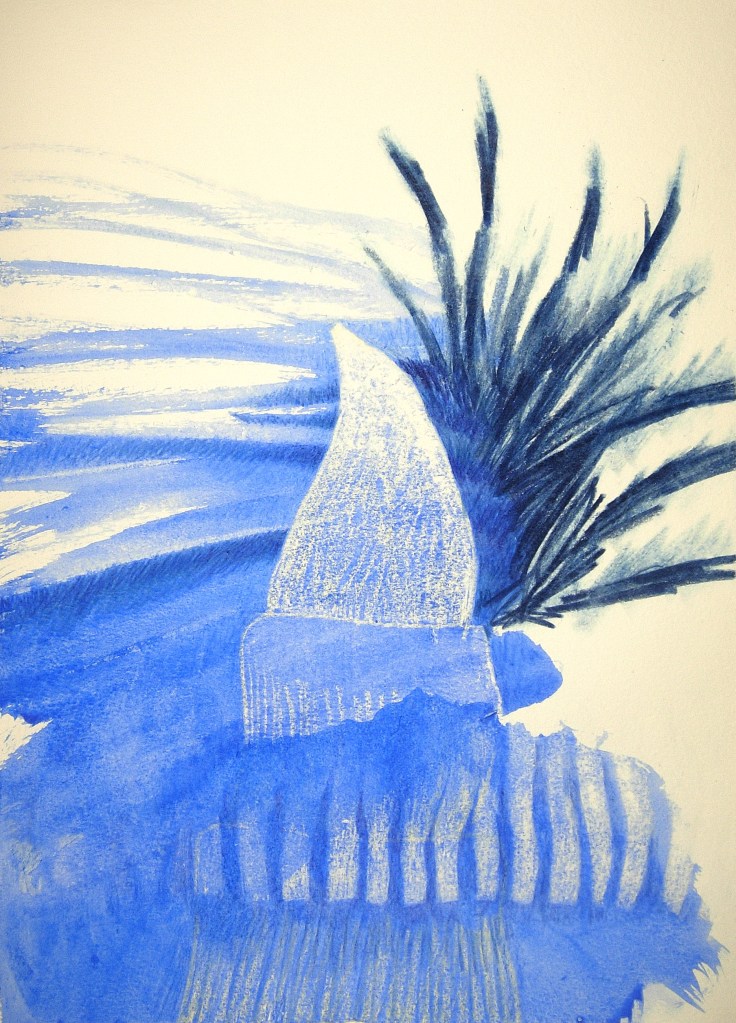
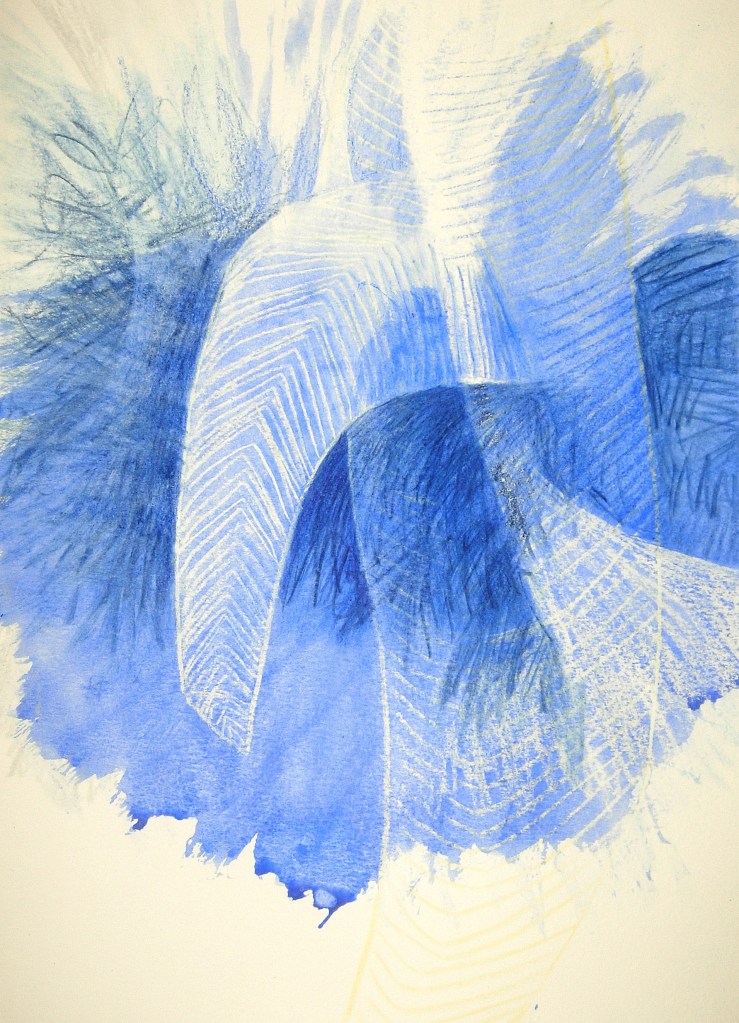
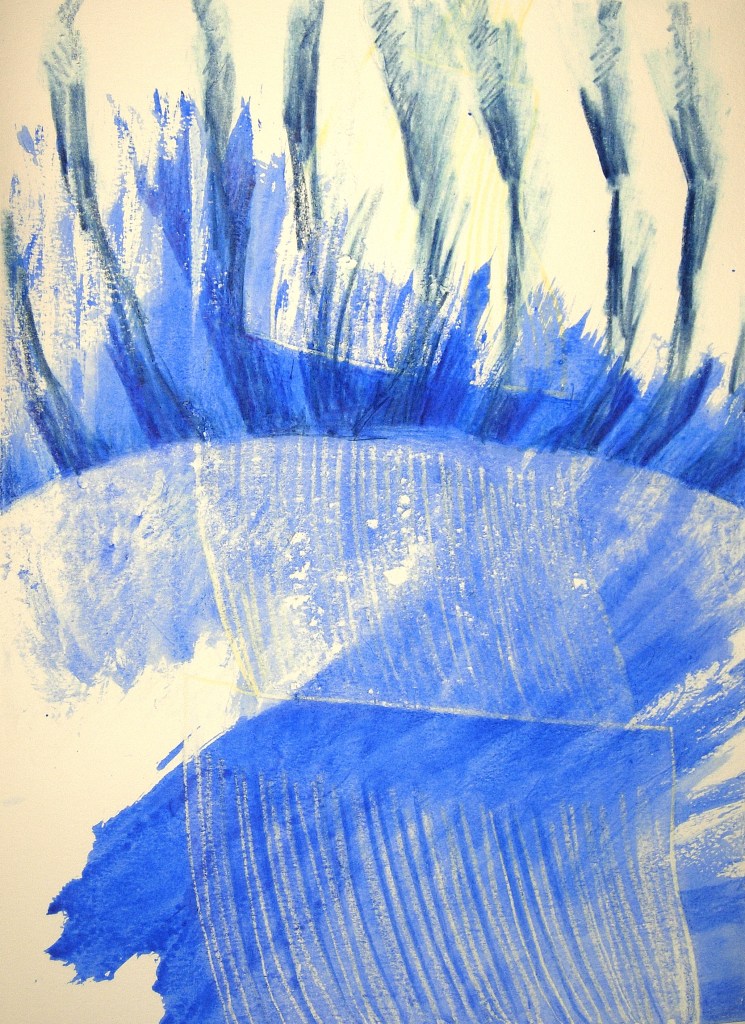
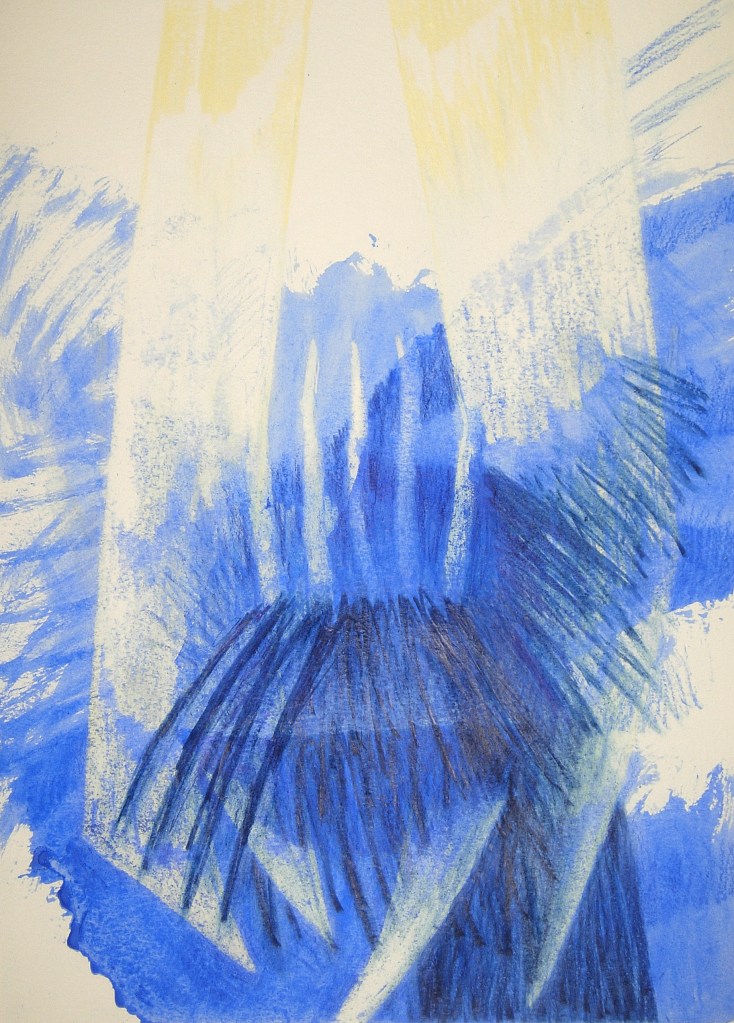
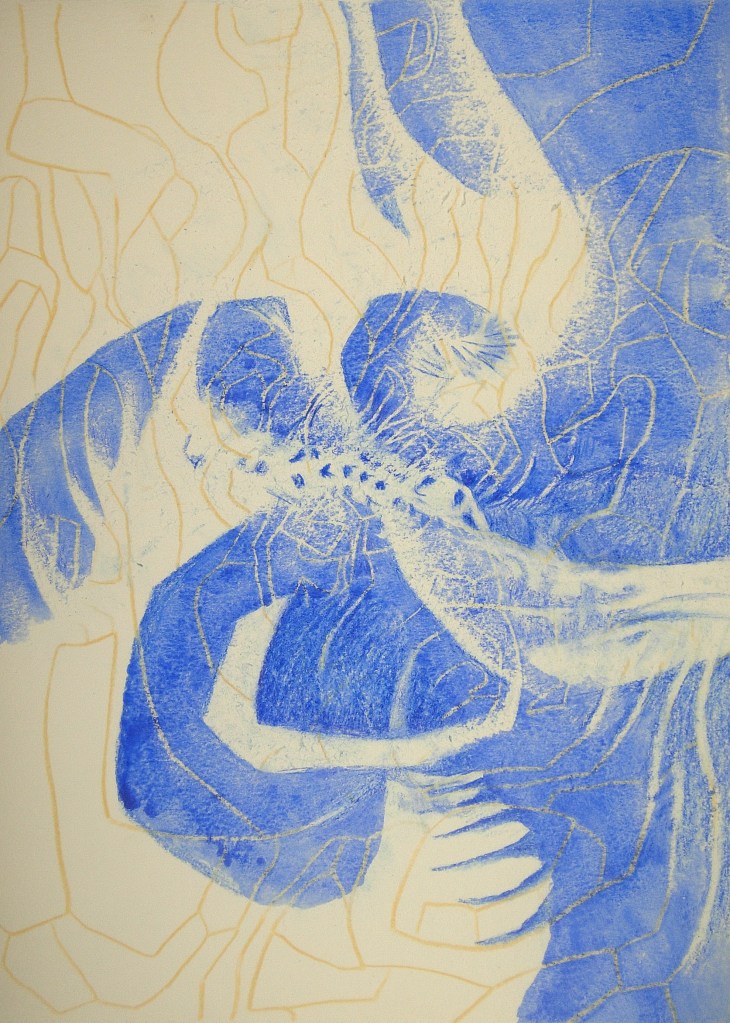
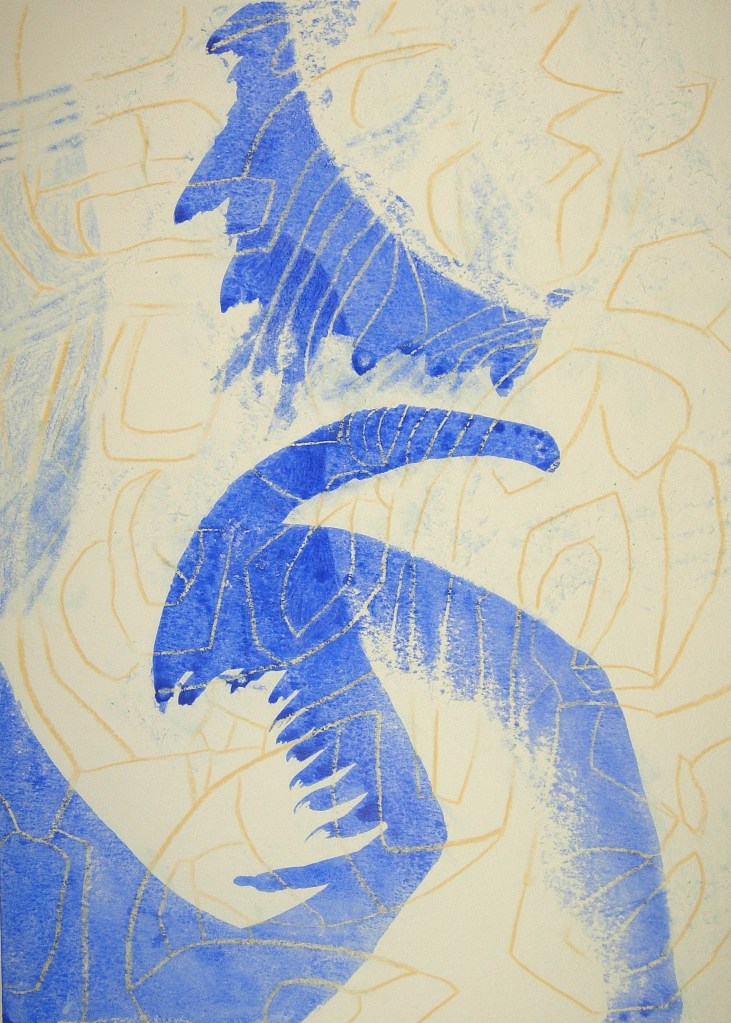
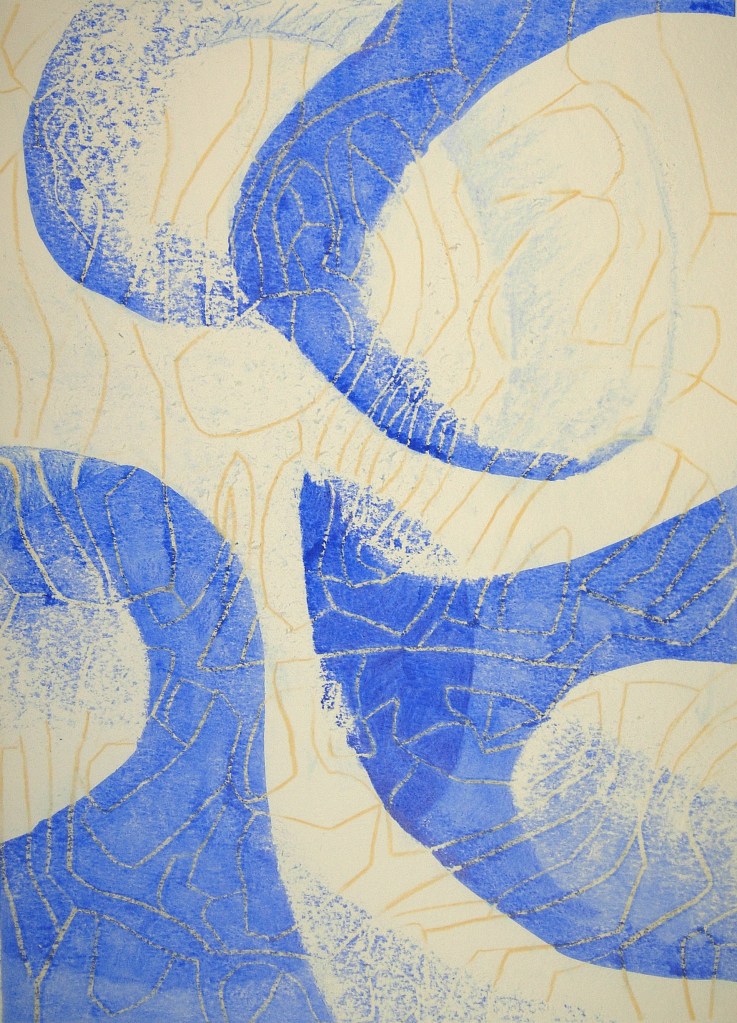
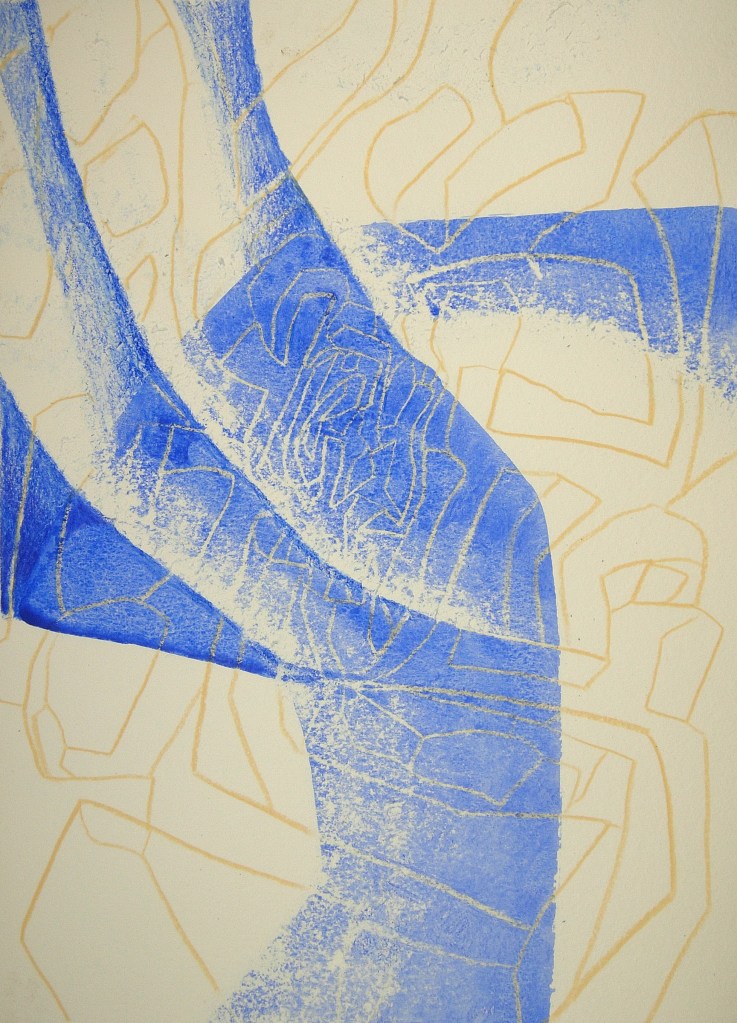
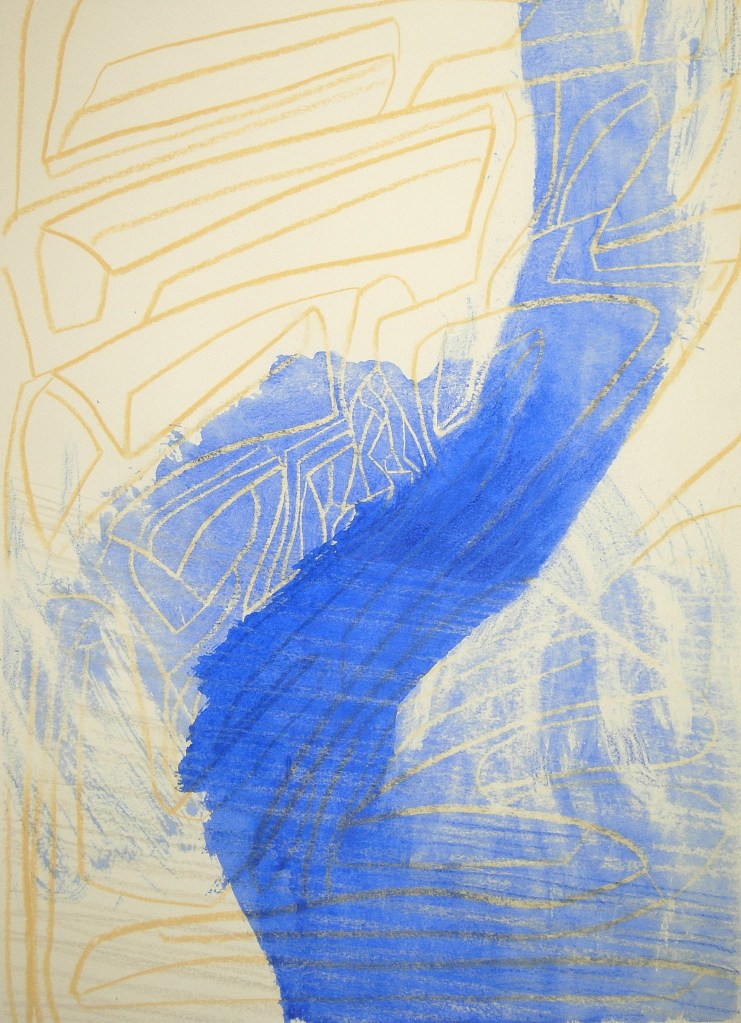
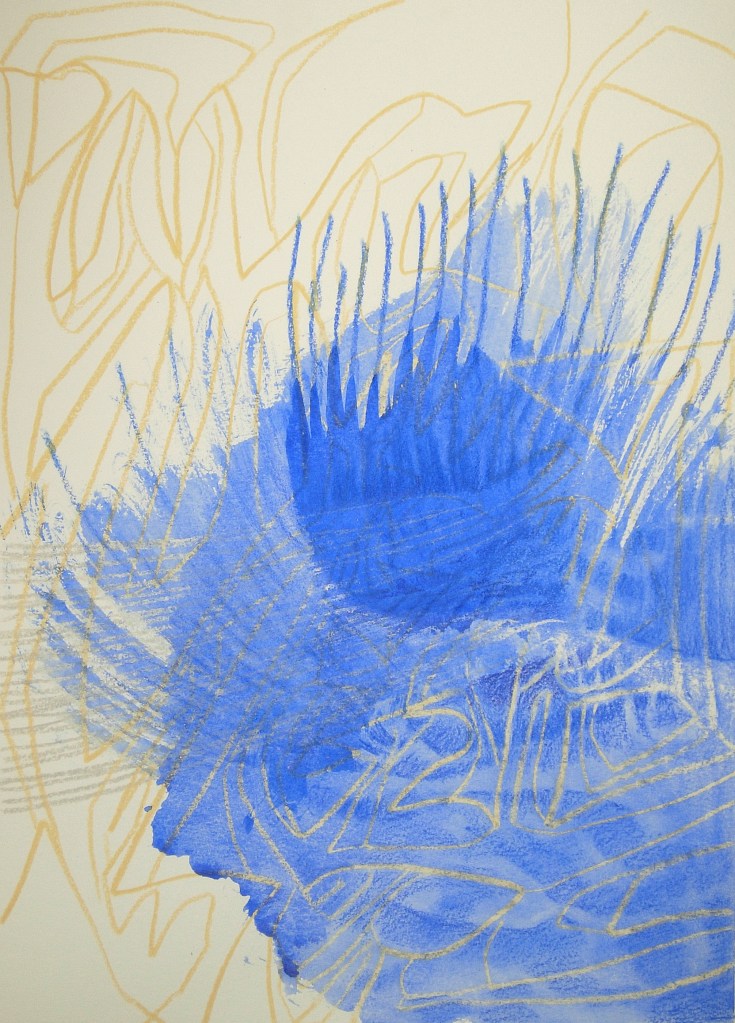
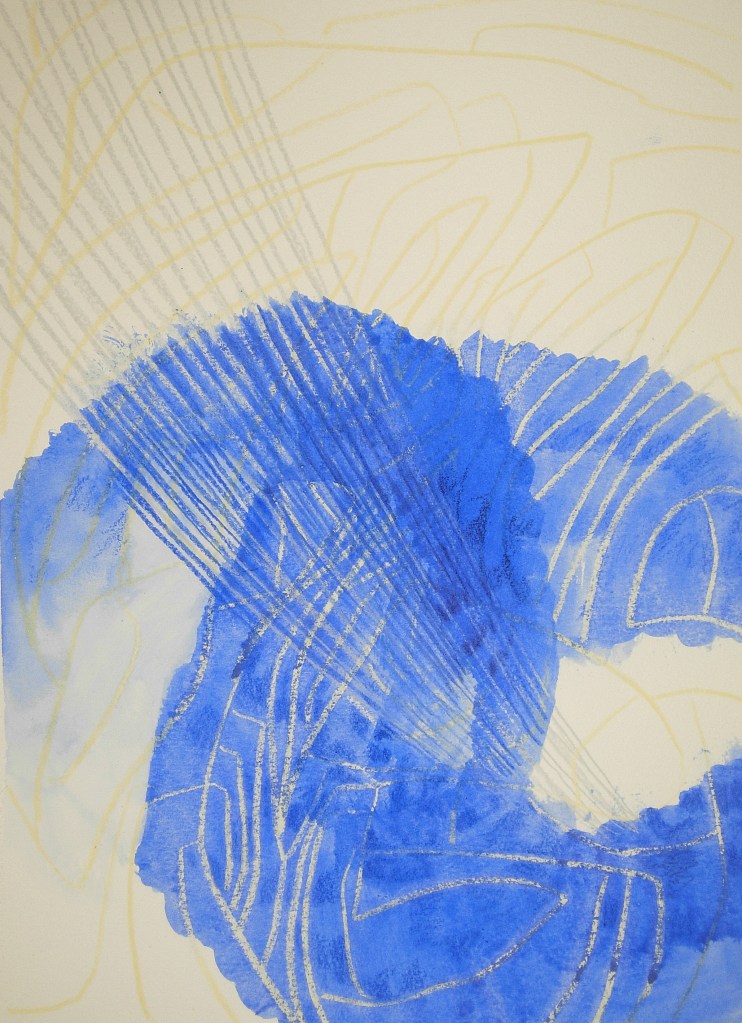
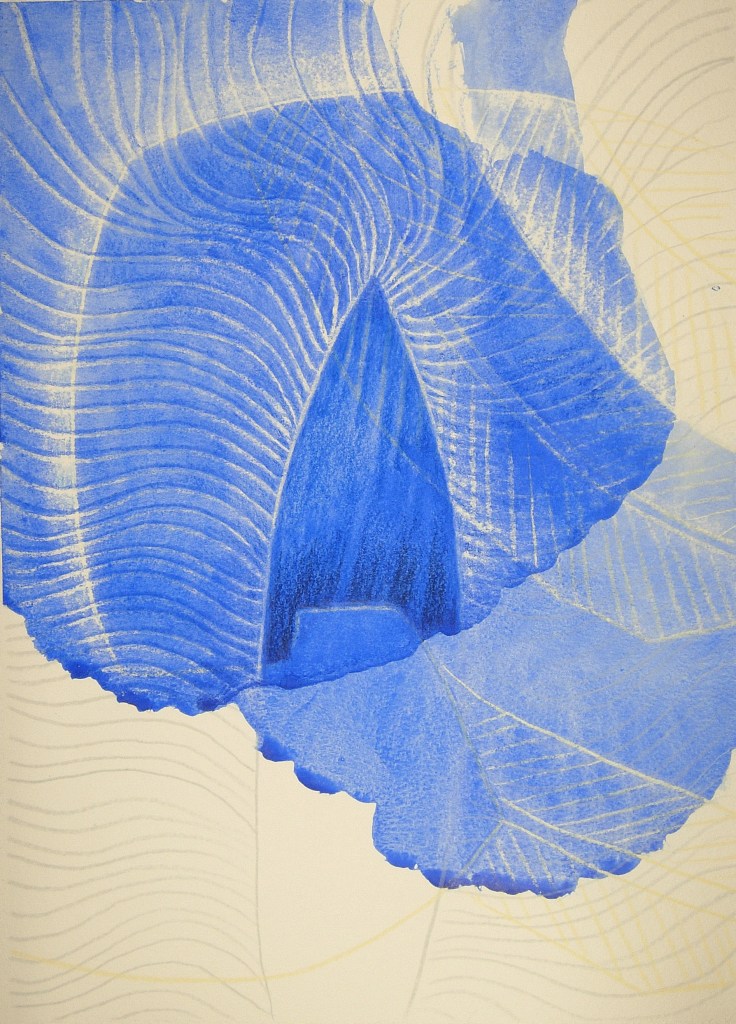
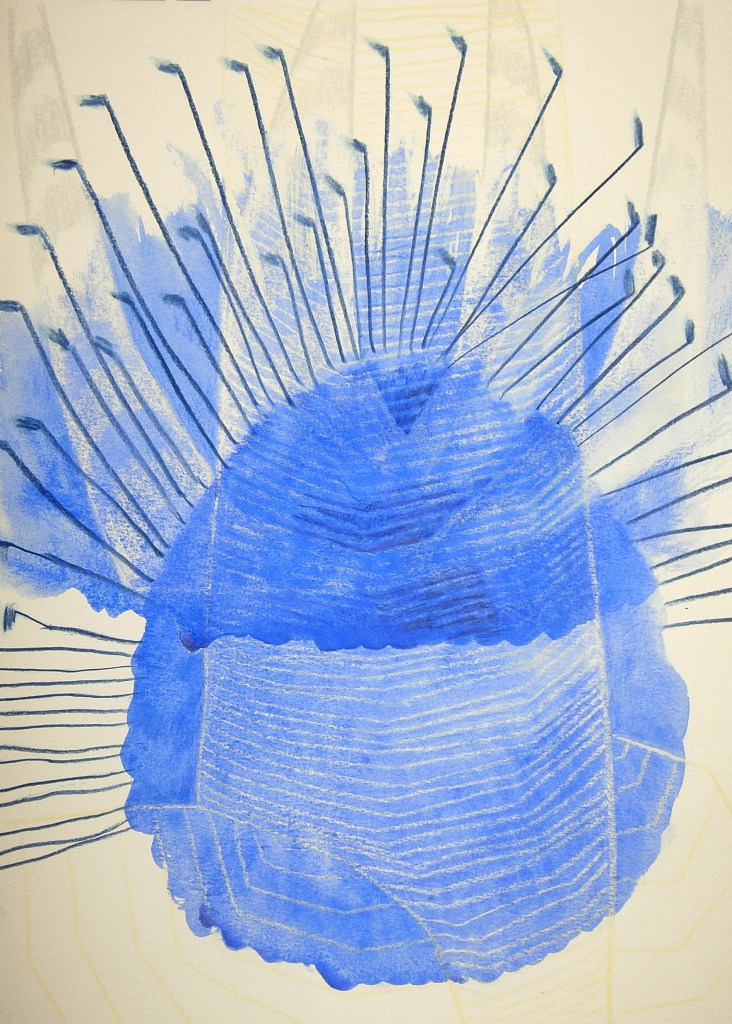
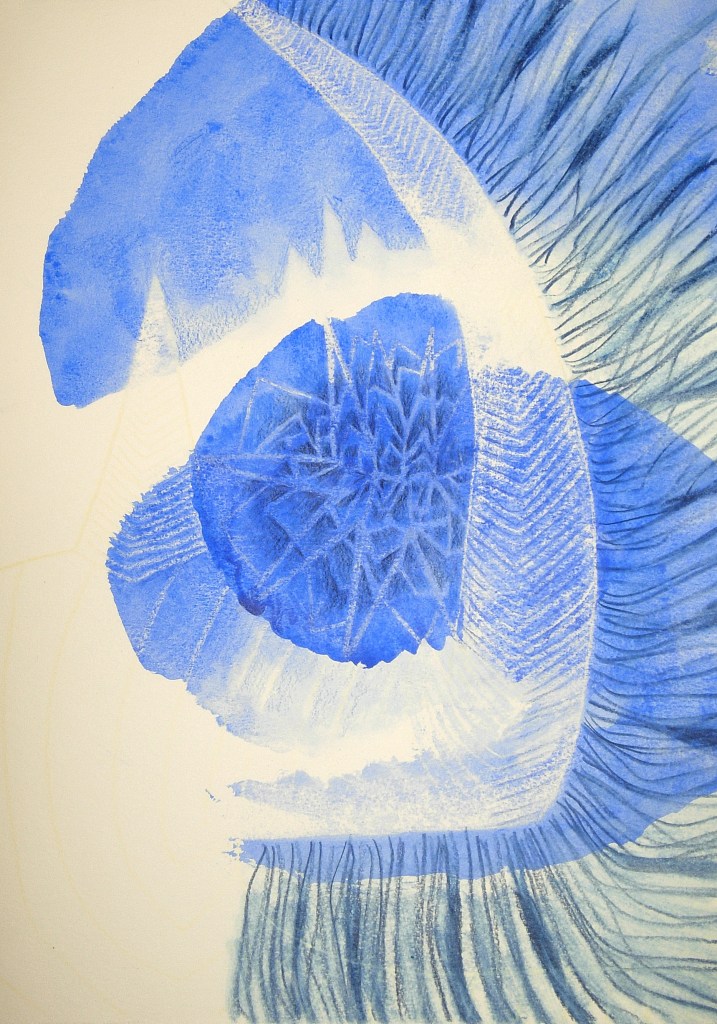
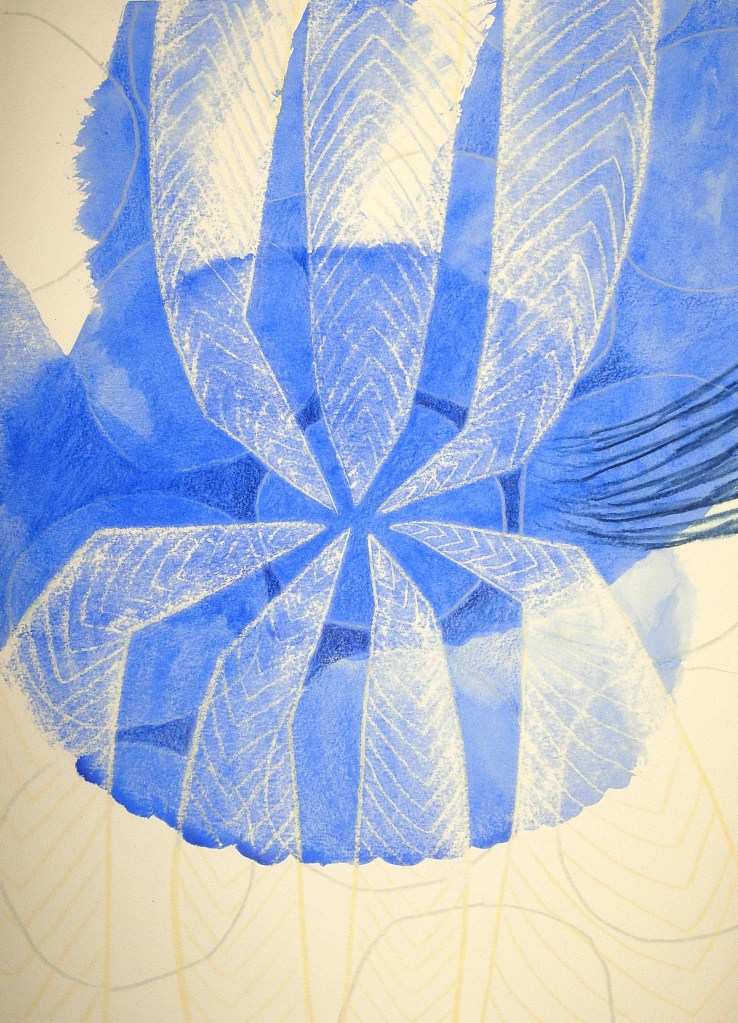
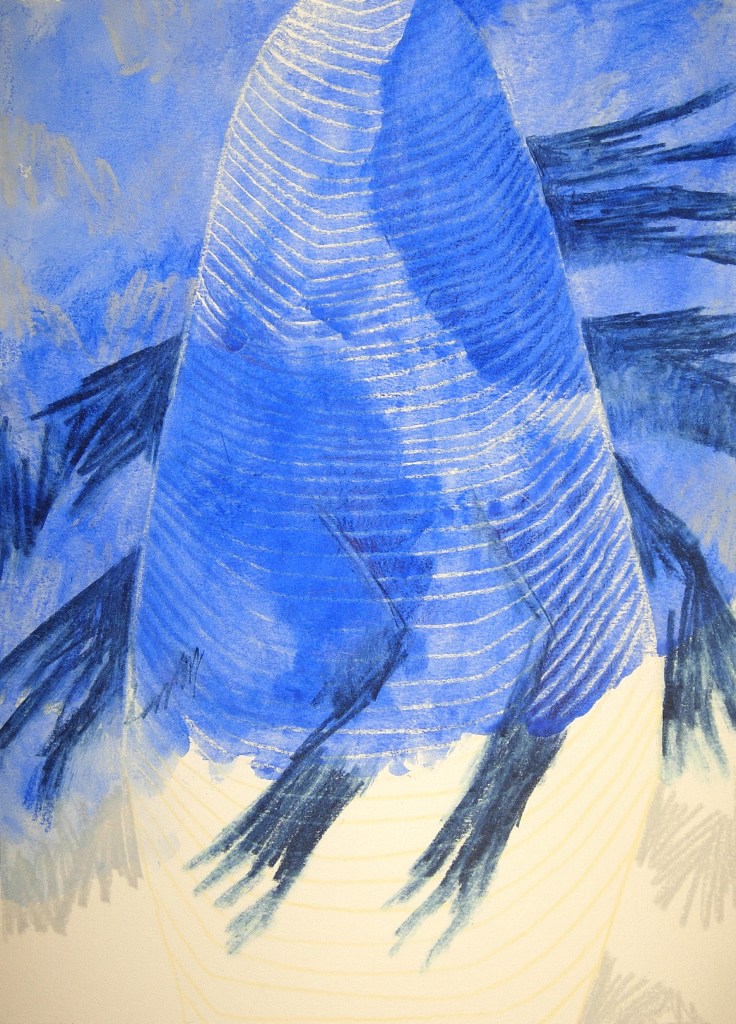
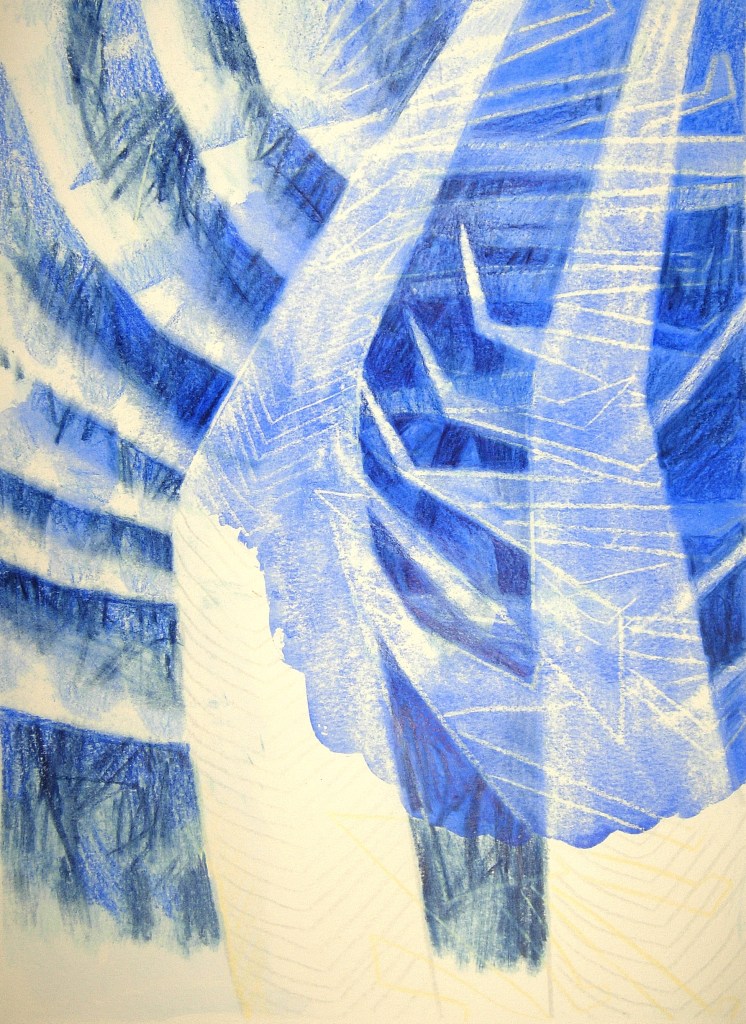
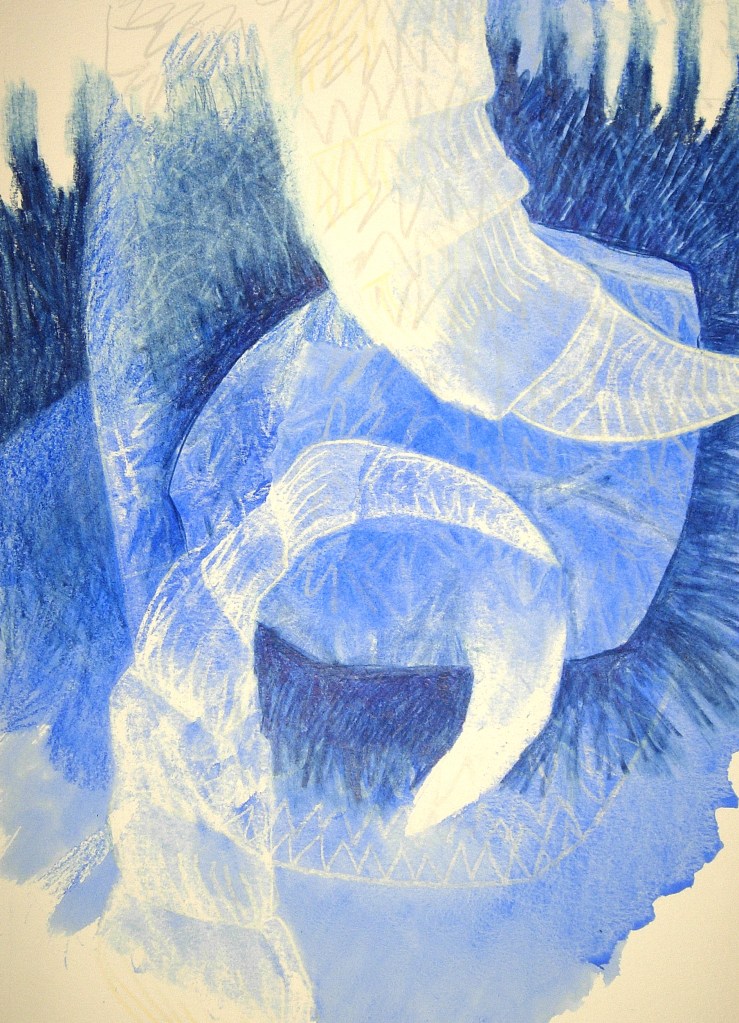
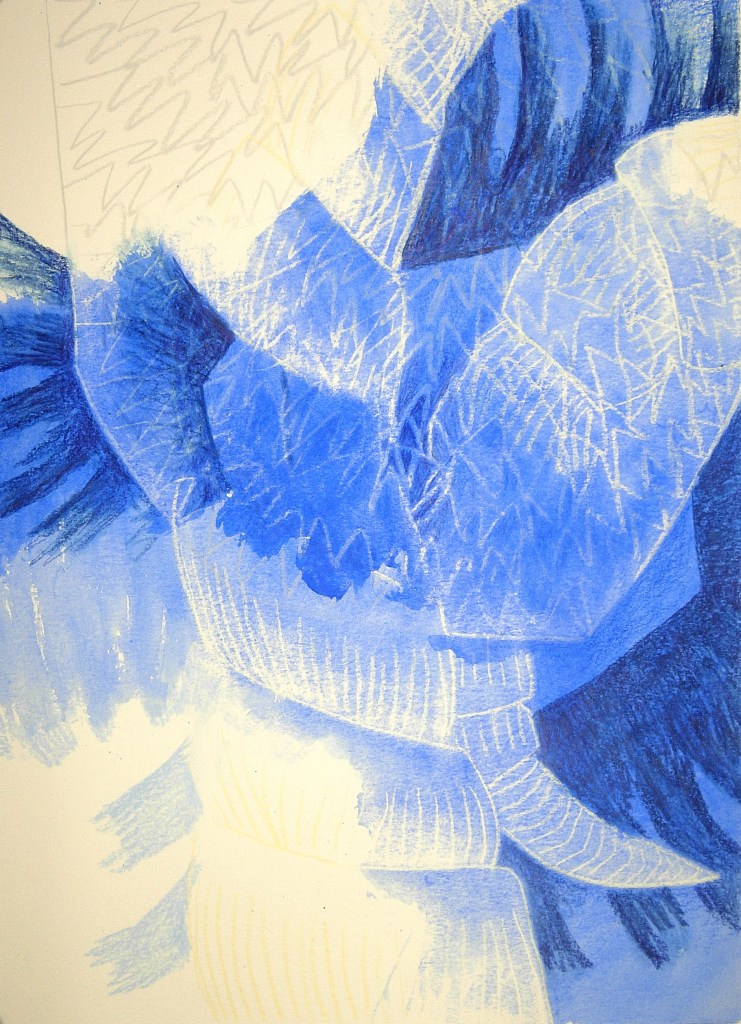
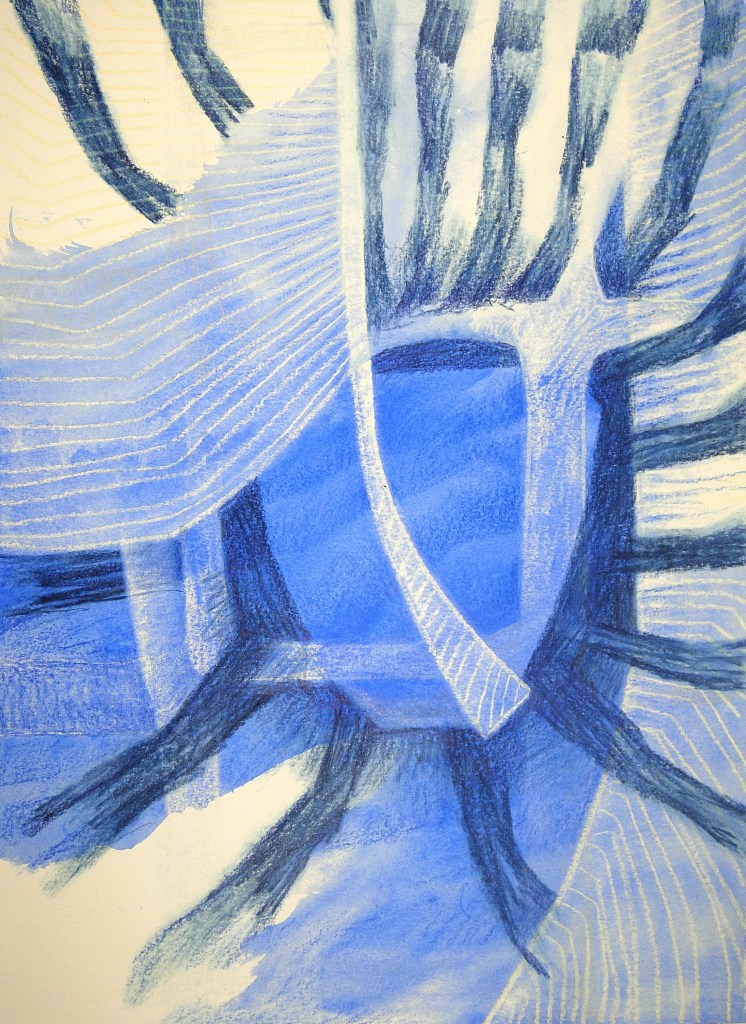
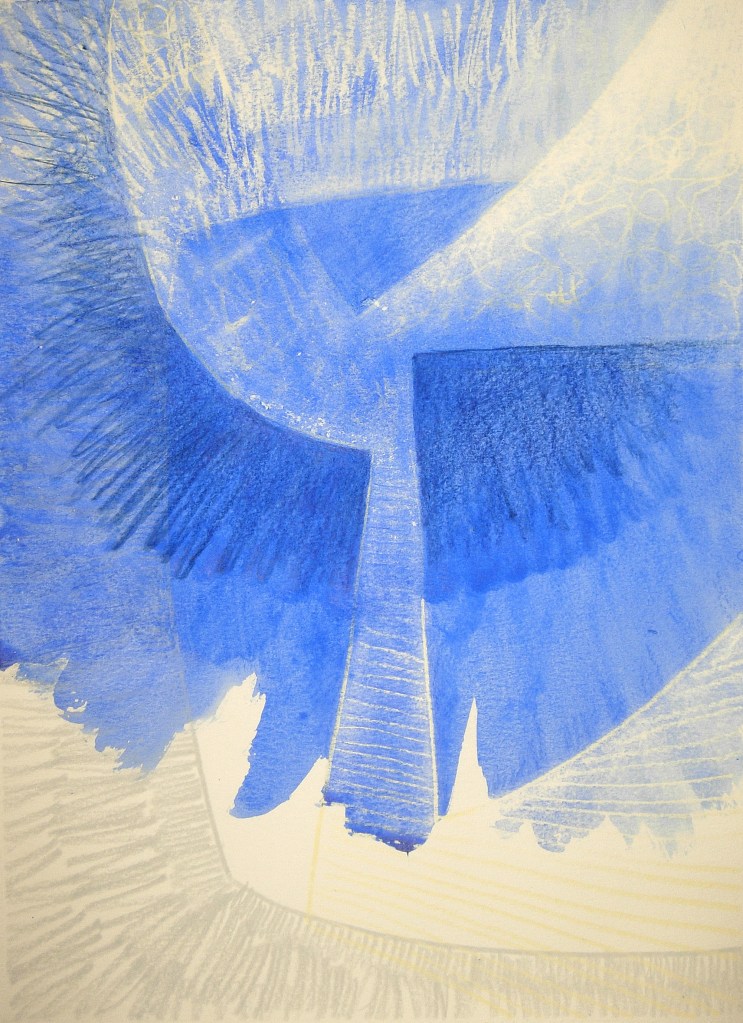
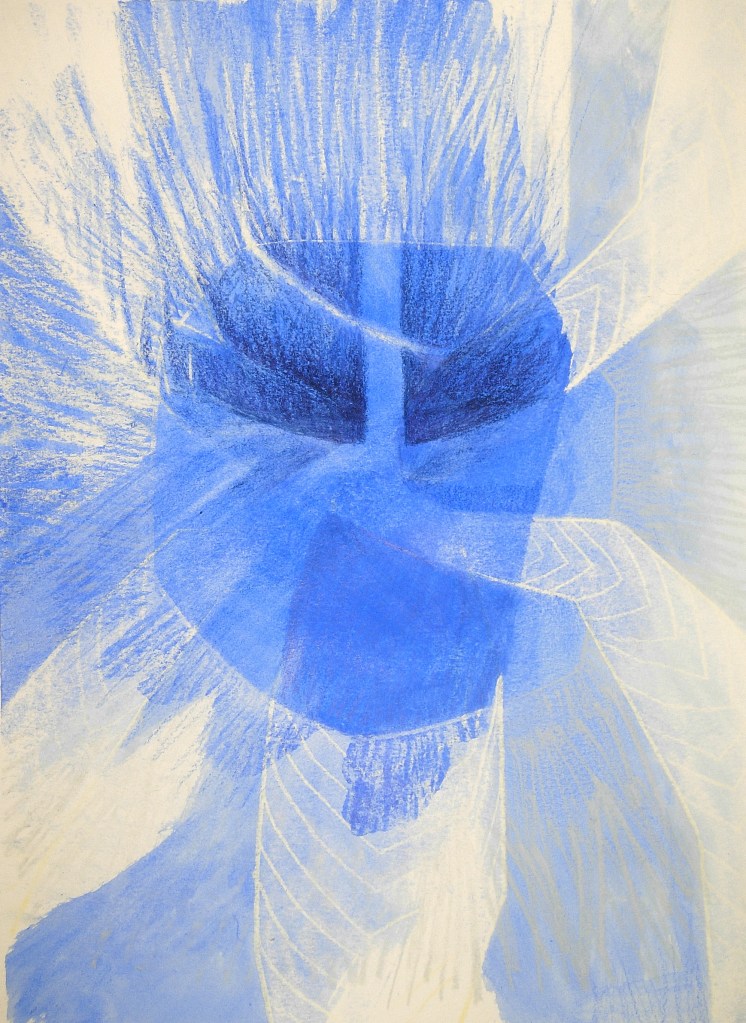
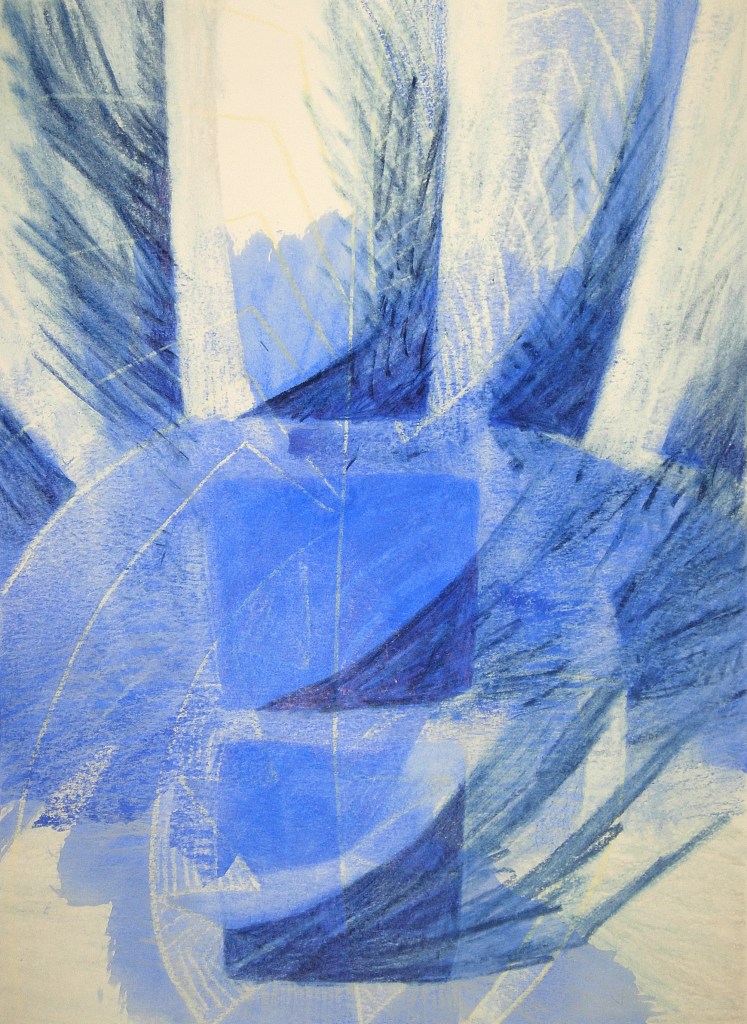
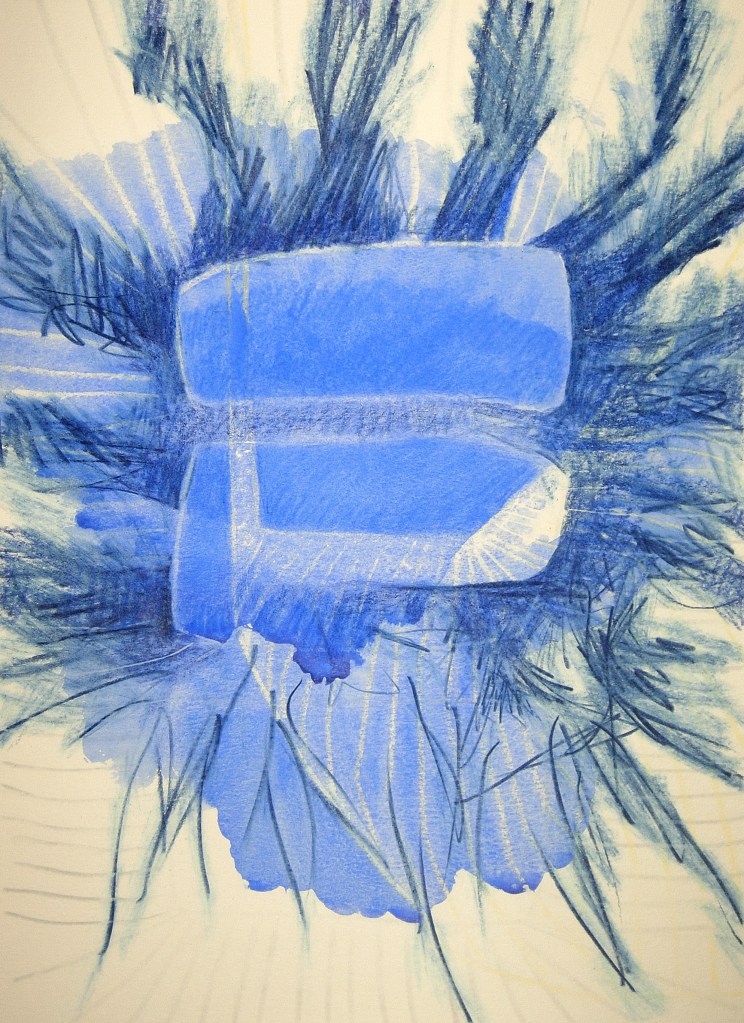
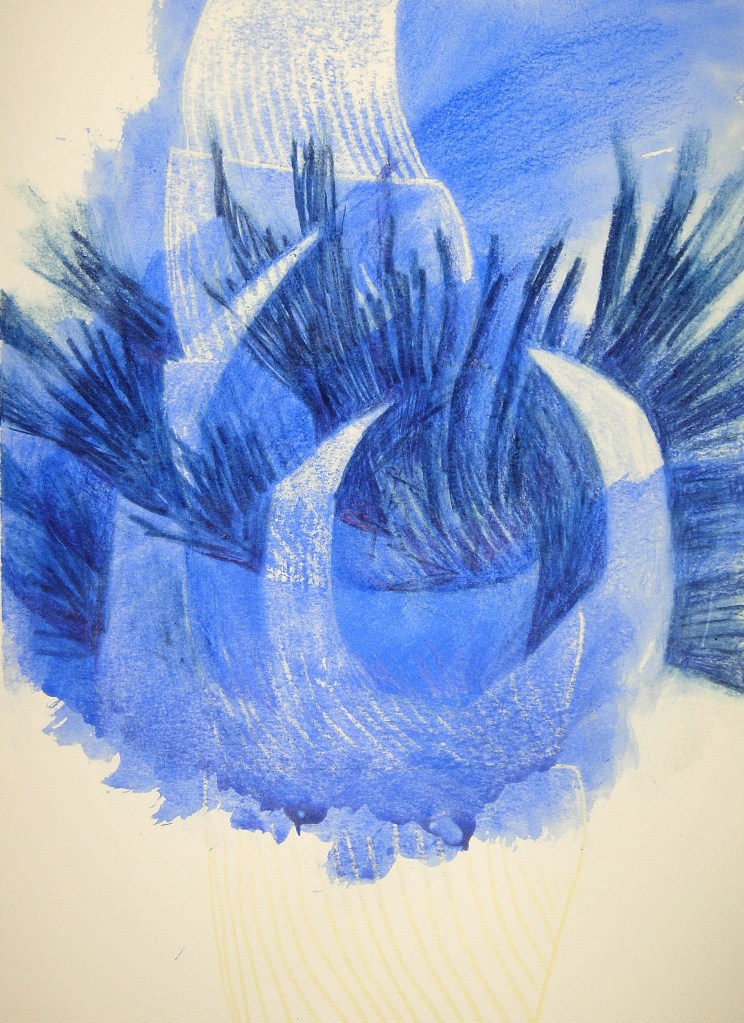
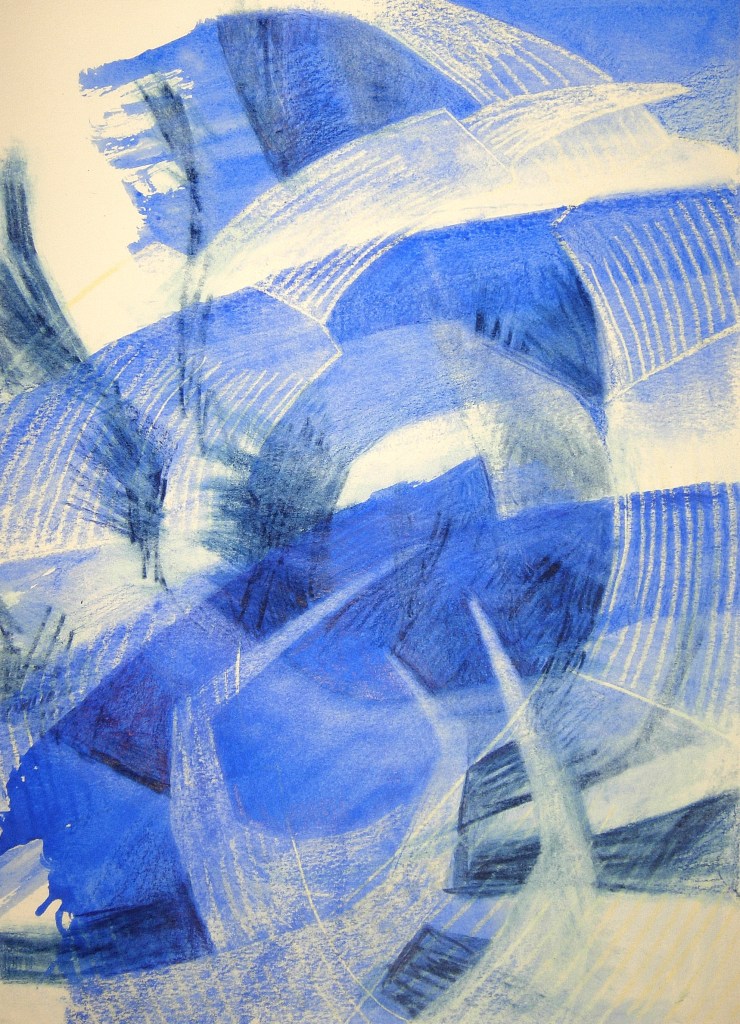
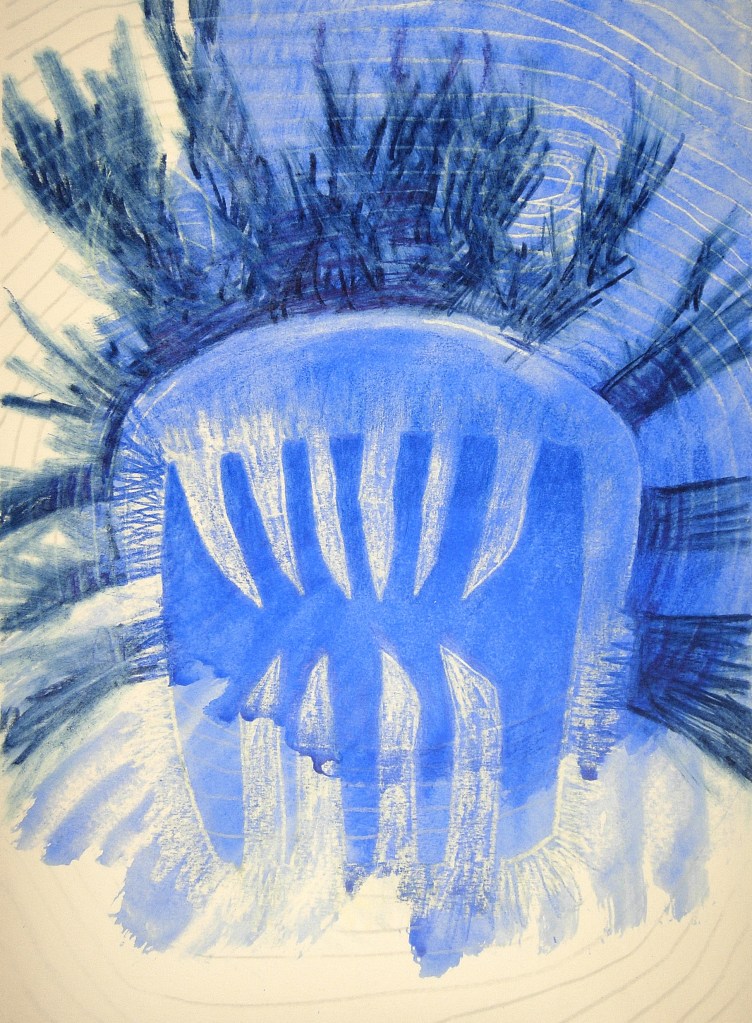
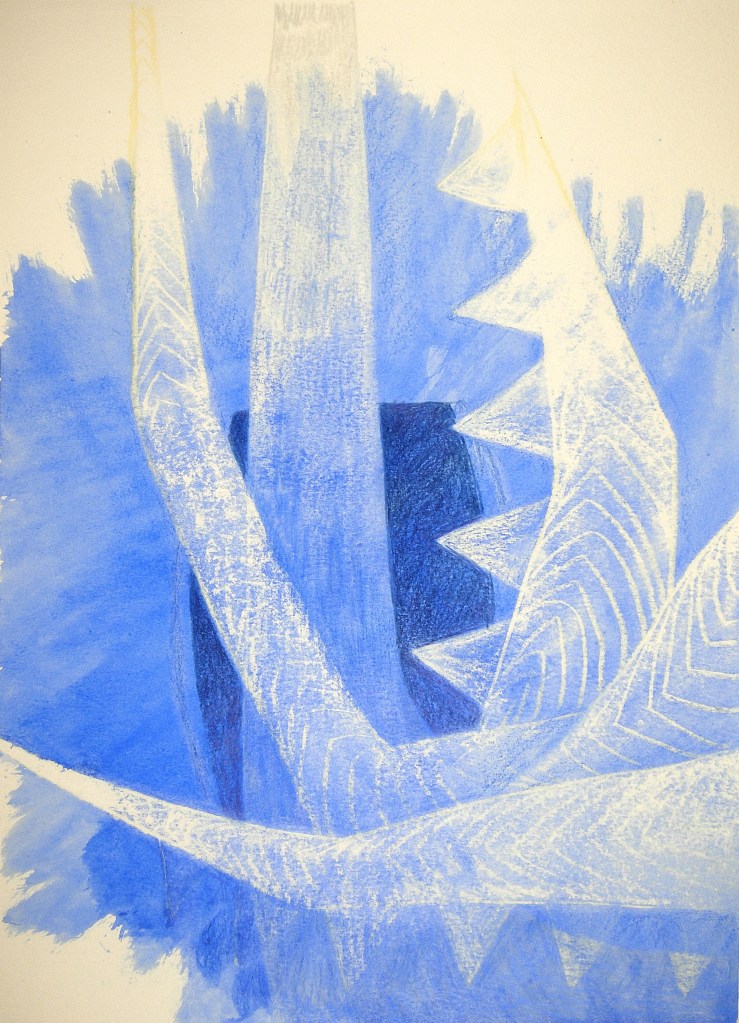
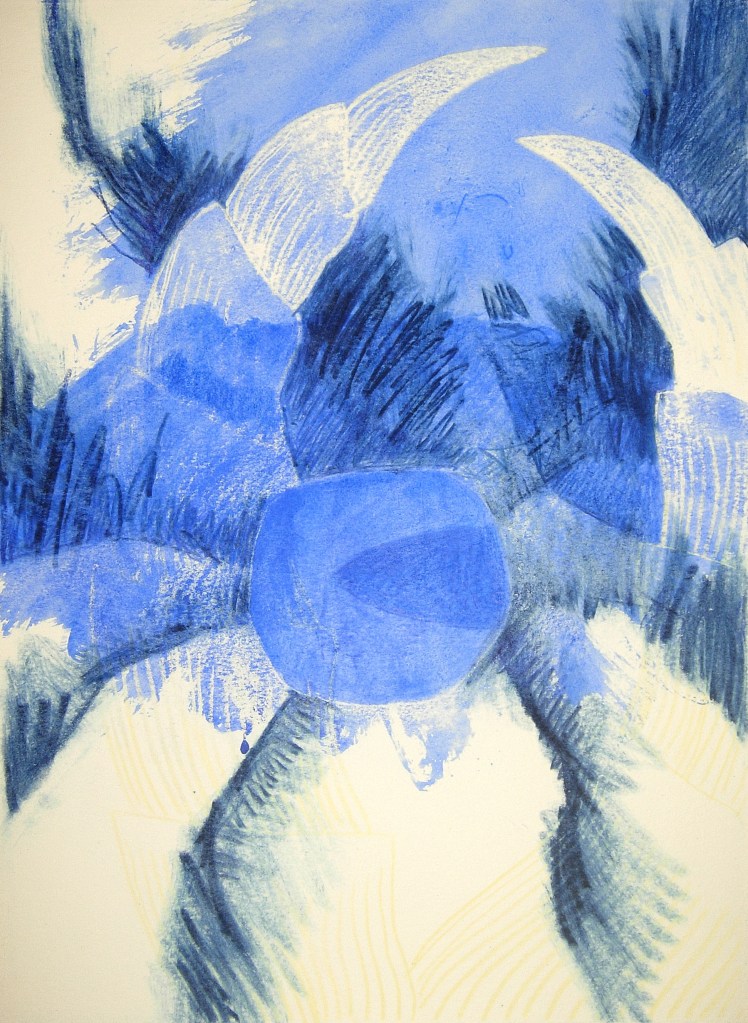
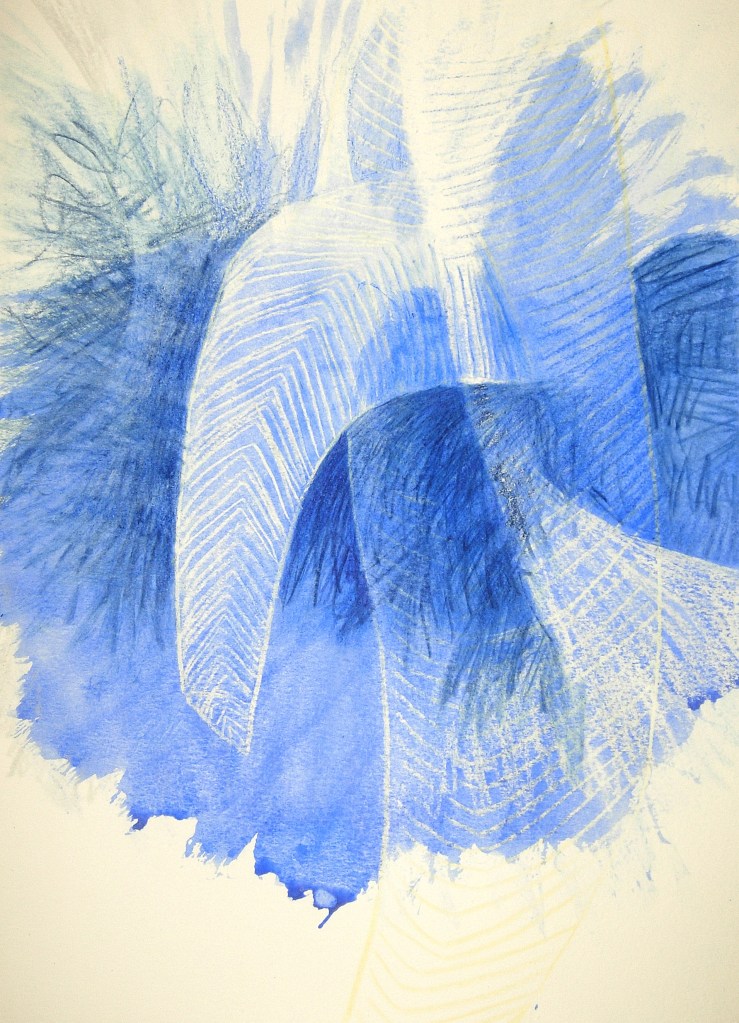
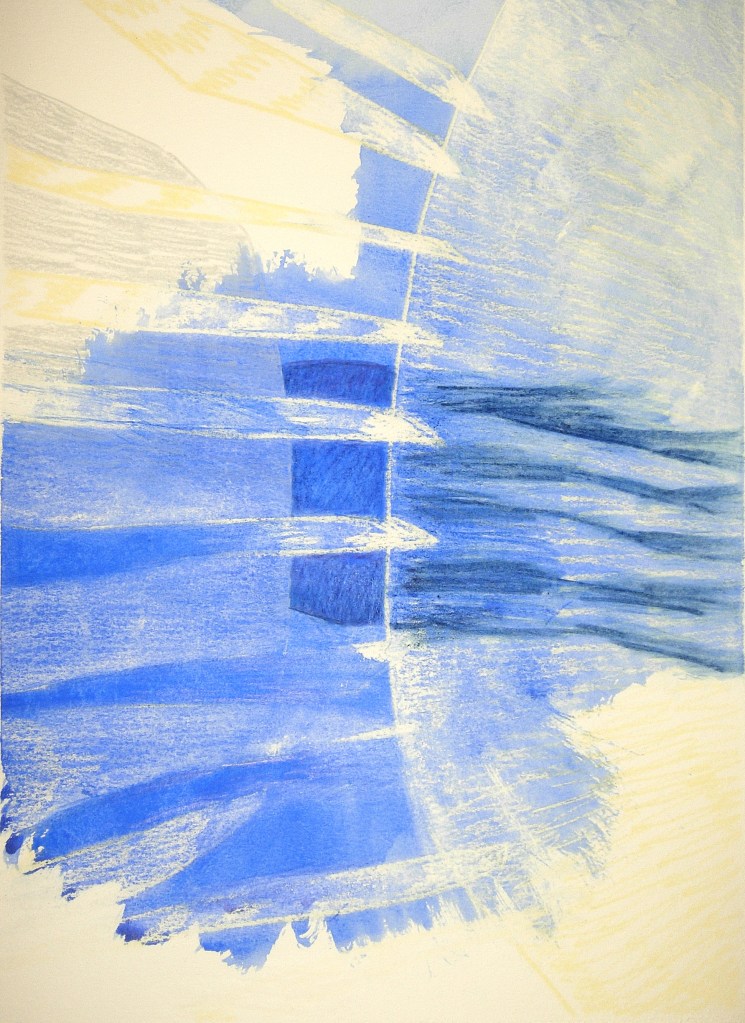
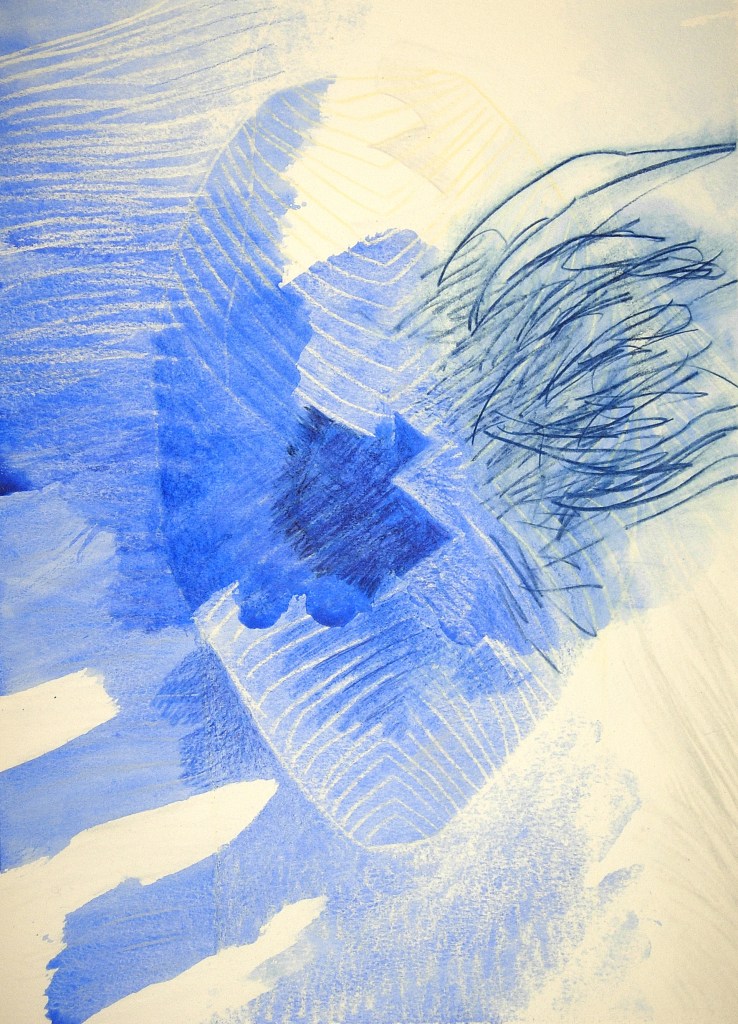
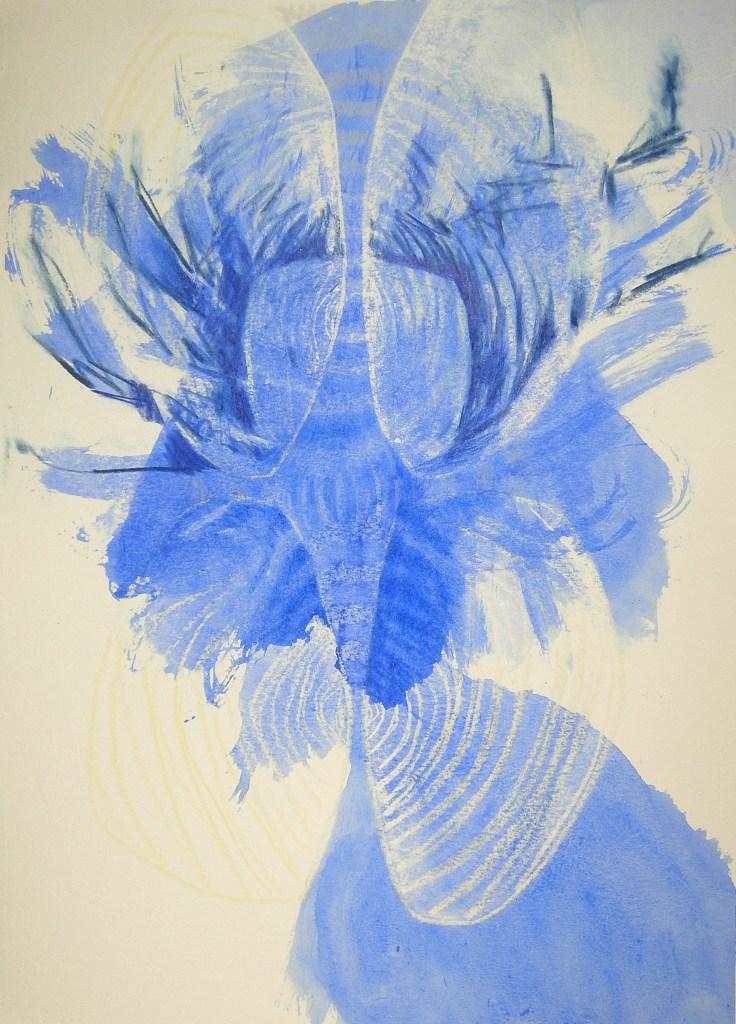
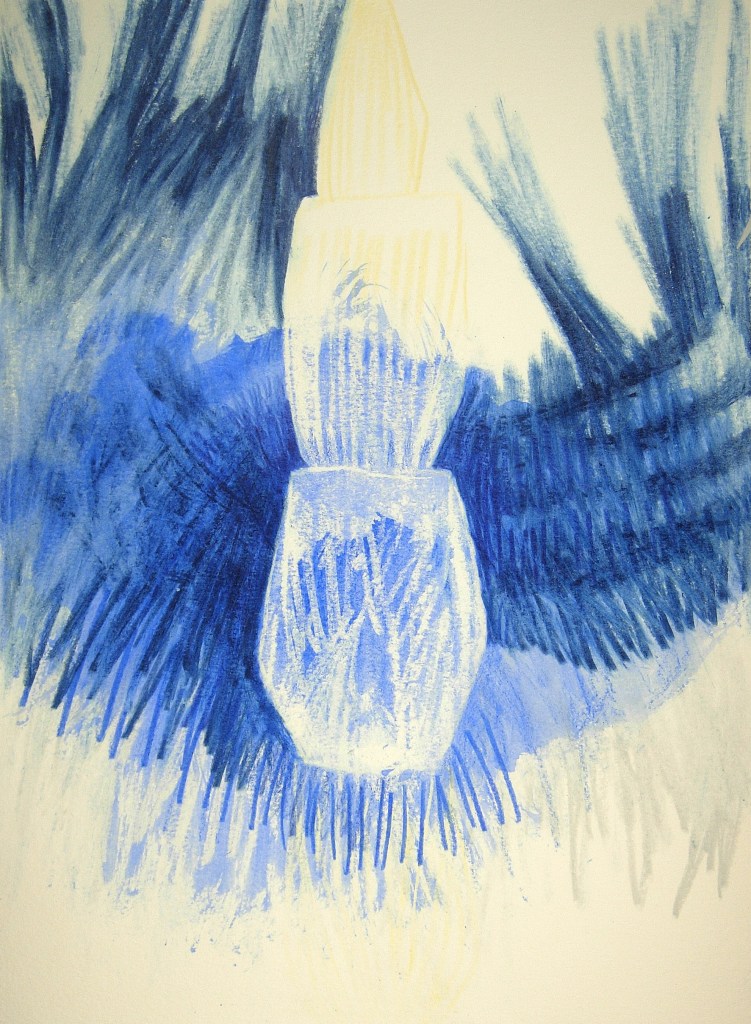
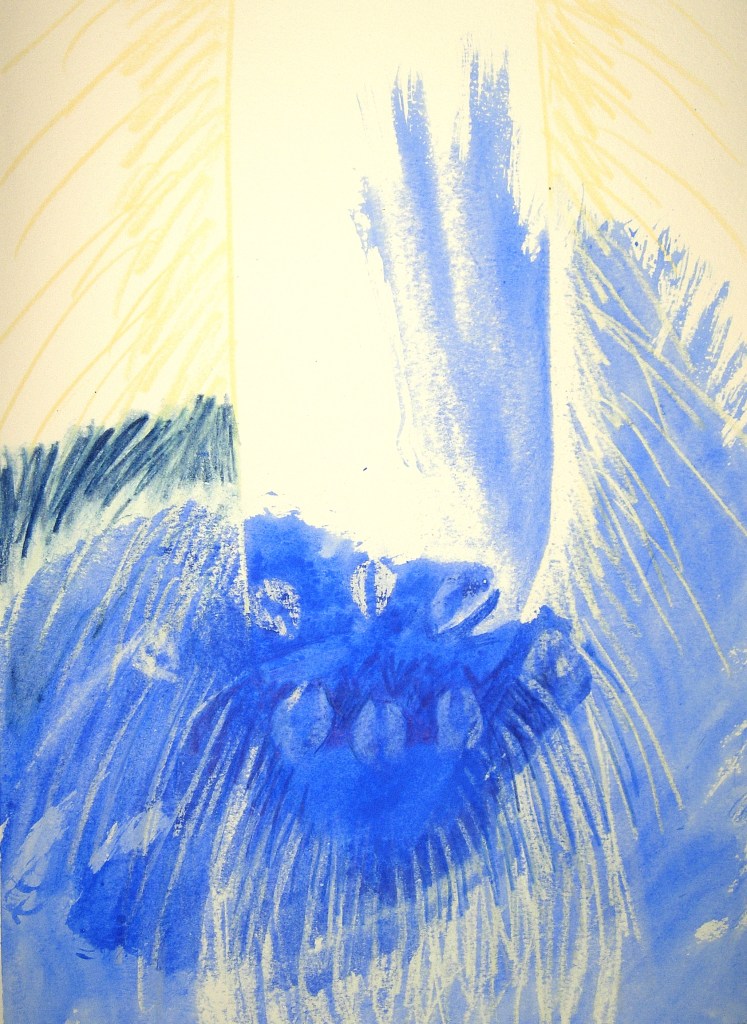
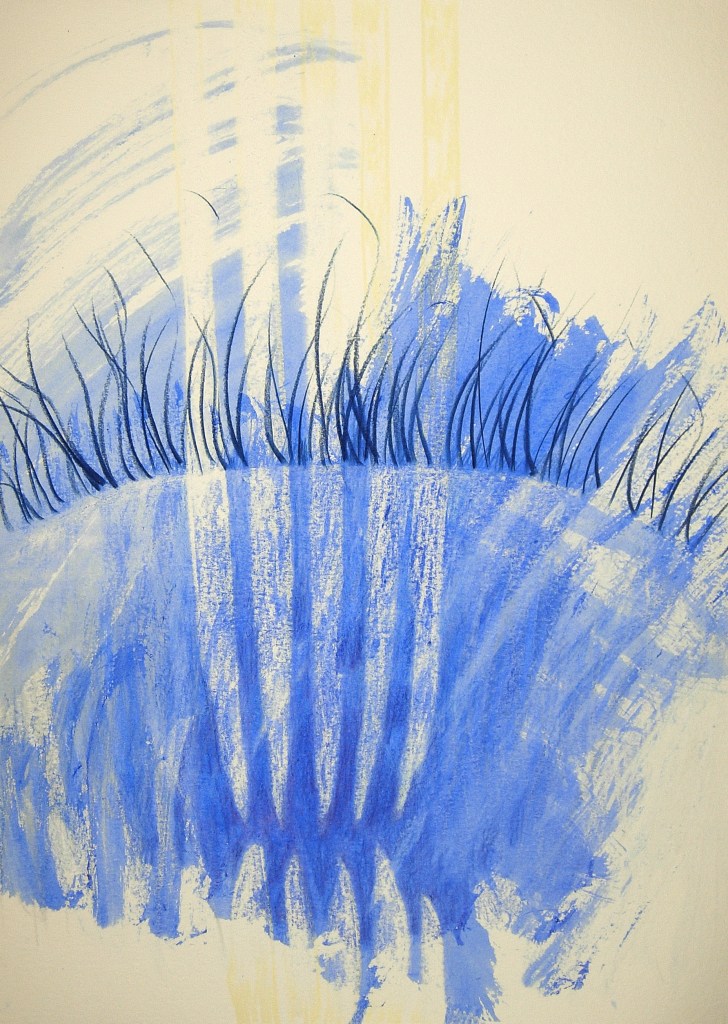
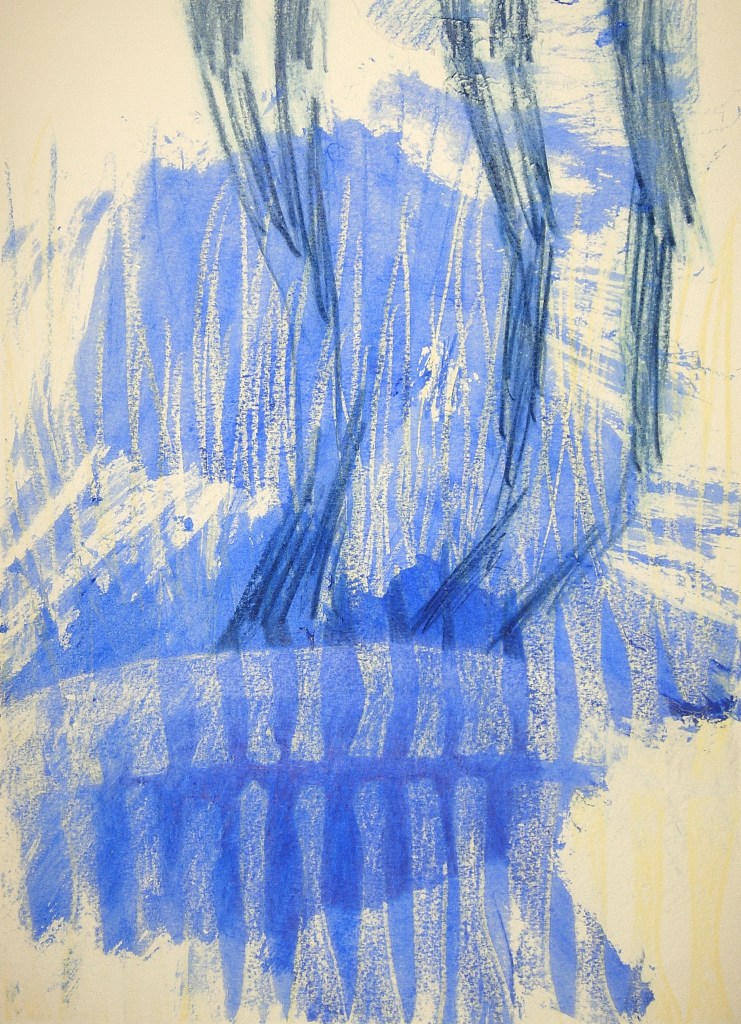
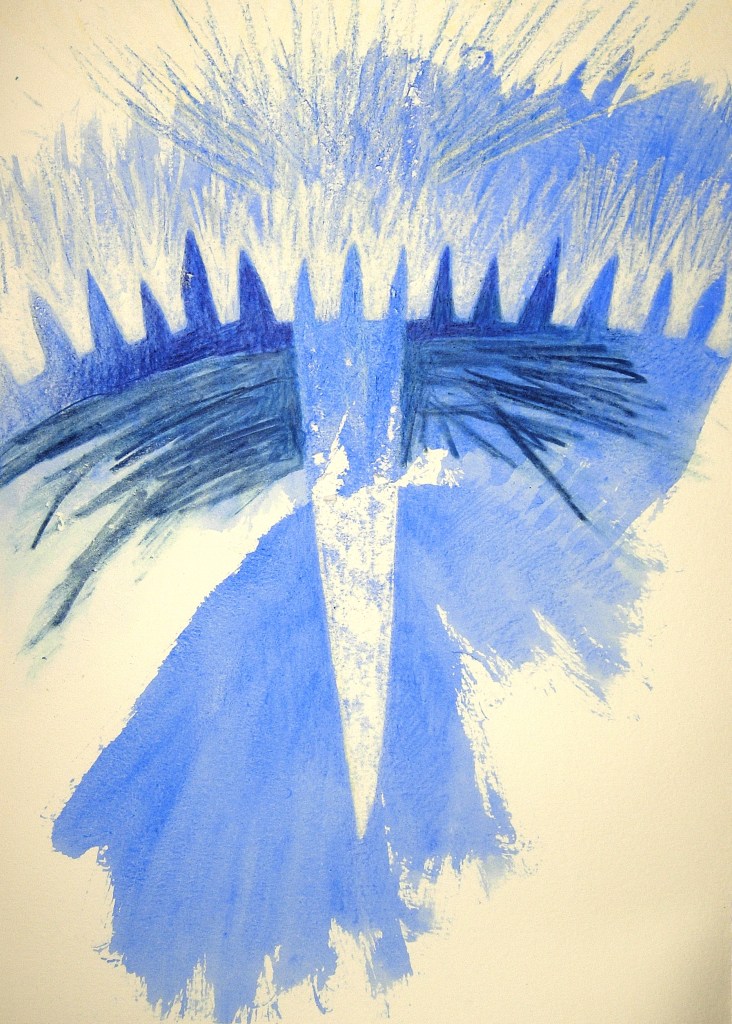
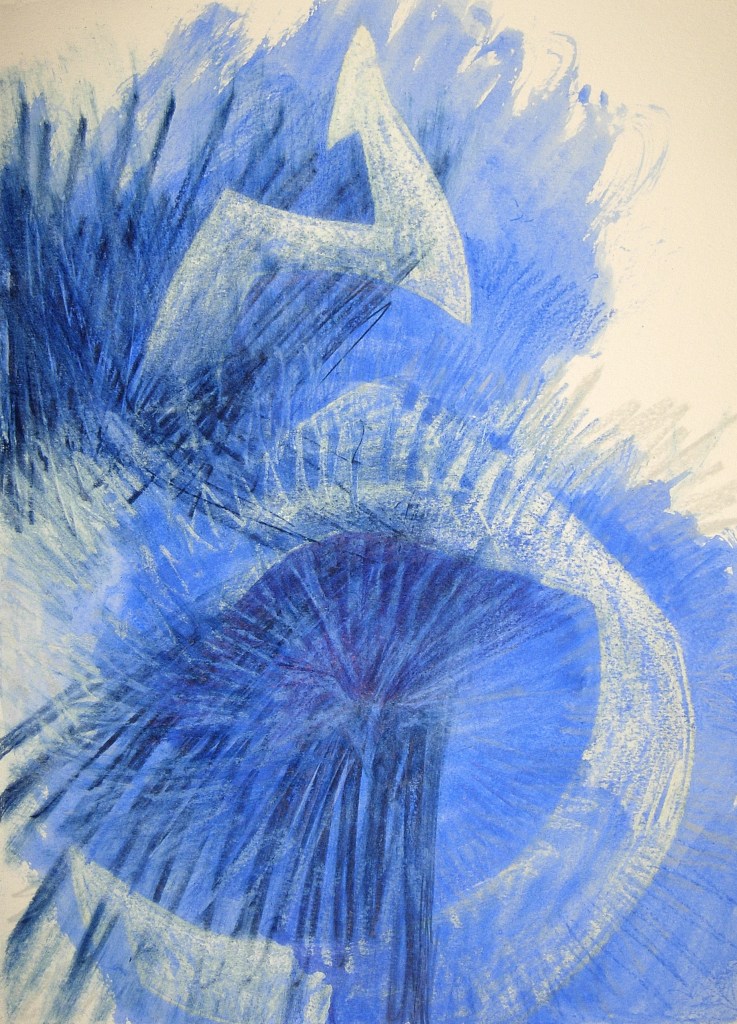
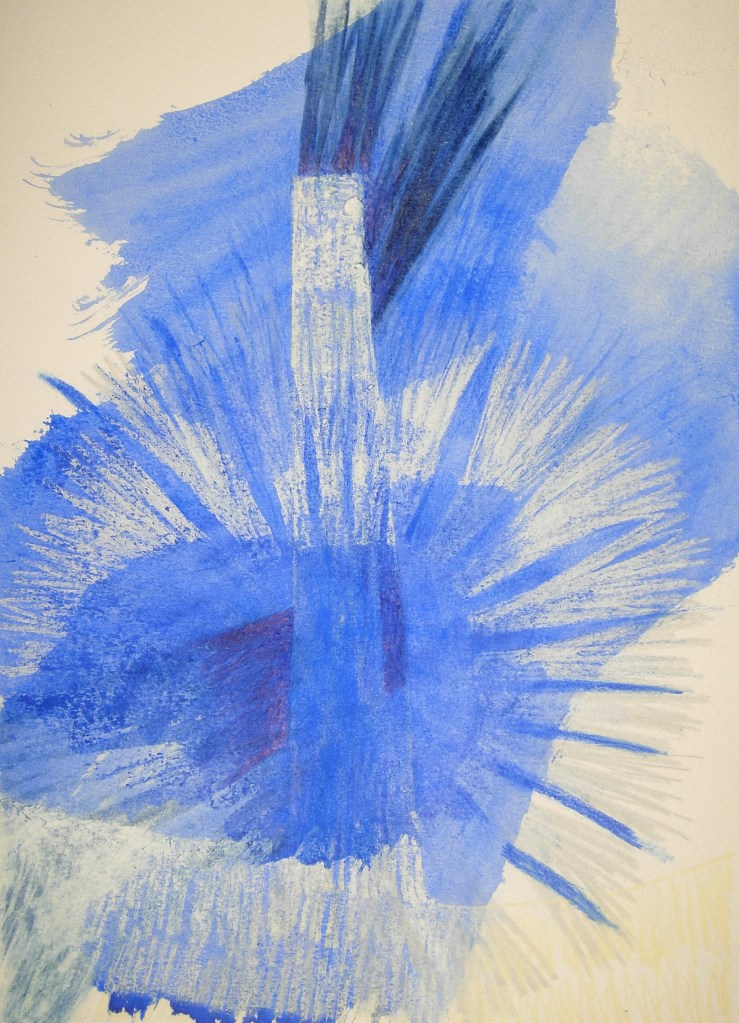
The Venuses tell the story of miraculous recovery. It’s a pilgrimage of 366 paintings through the many inner countries of my womanhood: from the broken state of the crackled ware, to the resilience of the crystalized kaolin clay; from the vulnerability of translucence, to the wondrous rawness of a sharp resonance.
This initiation journey was supported and nurtured by the subtle and yet very tangible psychic density of African tribal art. The sculptures and masks of the Igbo, Bamana, Dan, Kongo, Ibibio, Songye, Baule, Ubi, Senufo, and Fang are soul carriers that propelled my own growth as an artist and as a woman.





click on images below to enlarge







































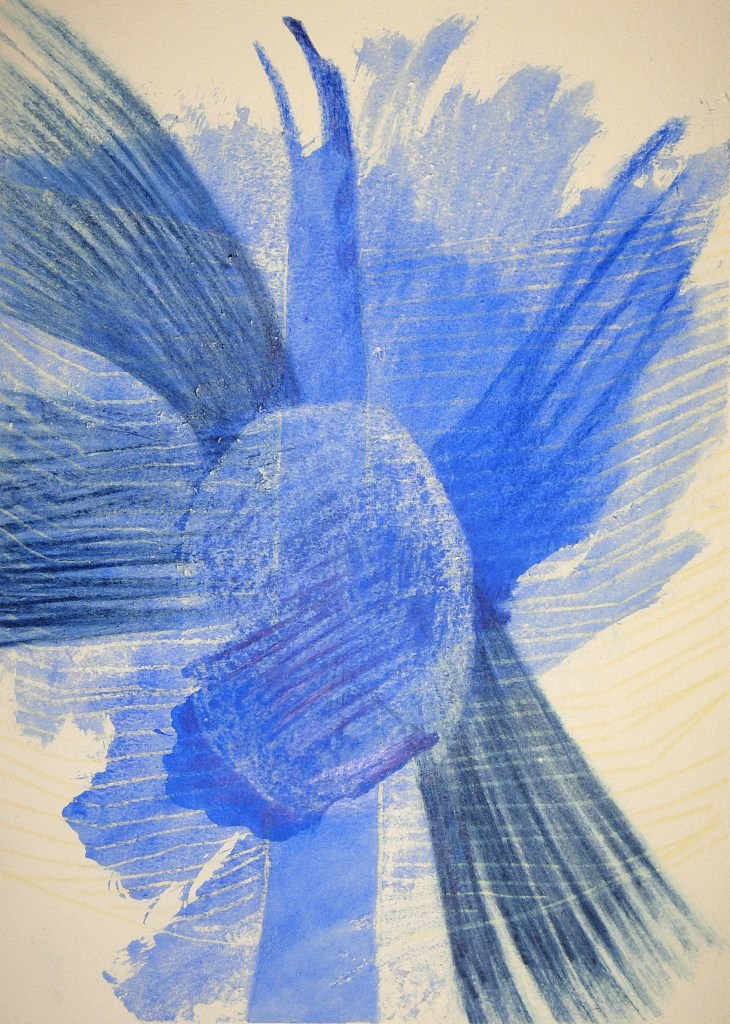


MERLIN
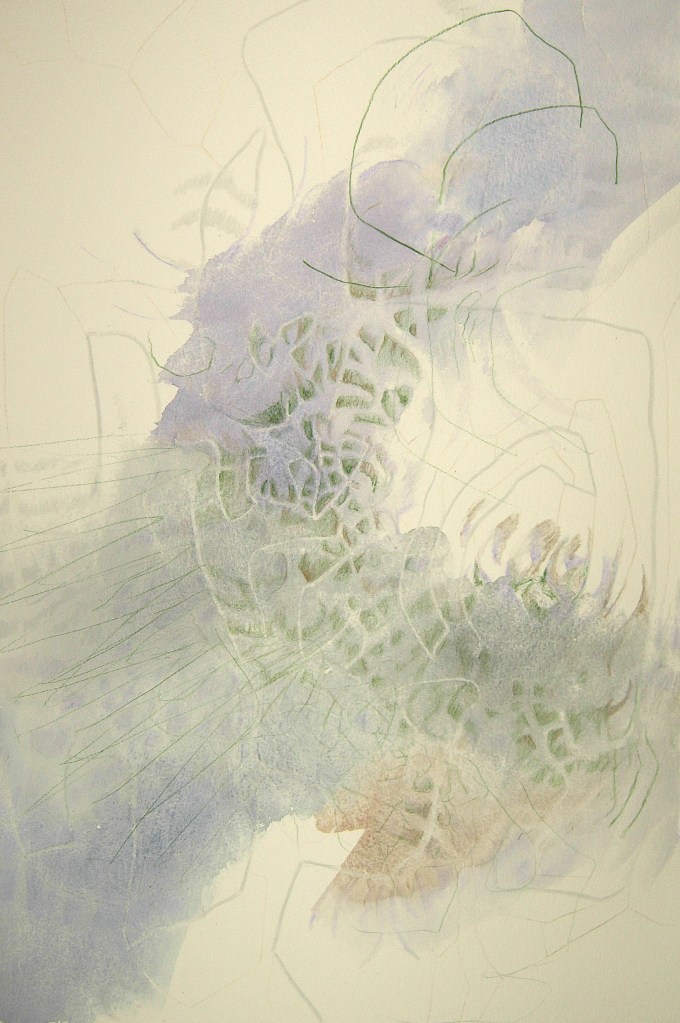
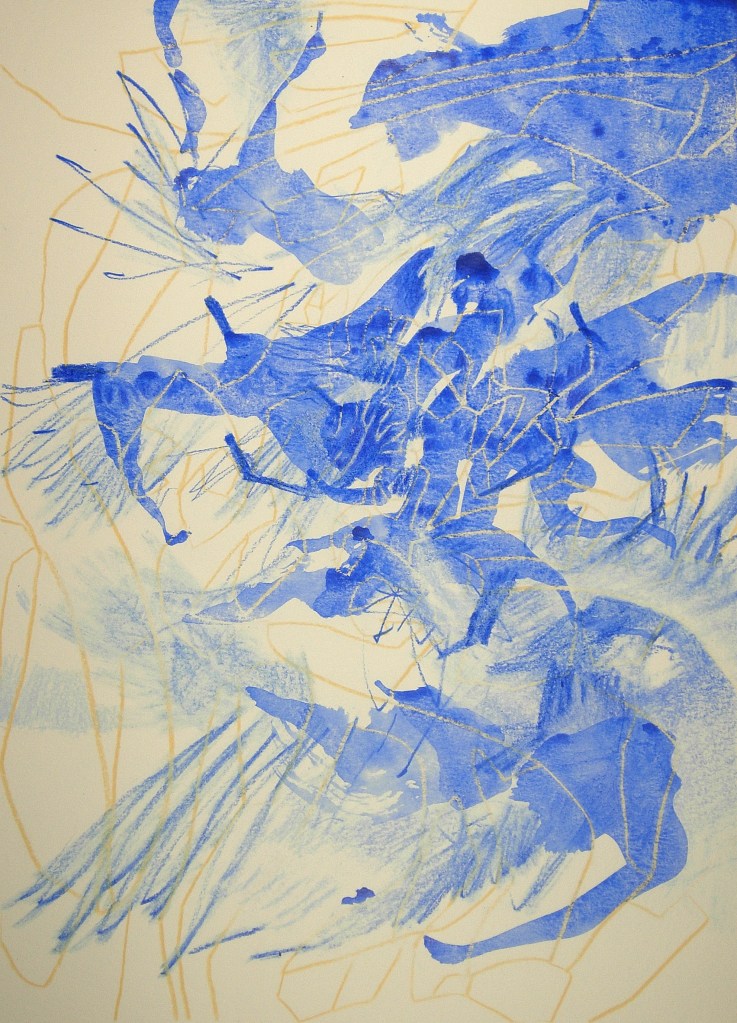
It is through his wig-maker that, in 1708, the Polish alchemist Frederic Böttger « discovered » the secret ingredient to make true porcelain. The blanc de chine, so far imported, could then be manufactured in Europe. The subtle play of the iridescent greys of the kaolin’s shadows revels in moon’s memories.
click on images below to enlarge




ROCOCO
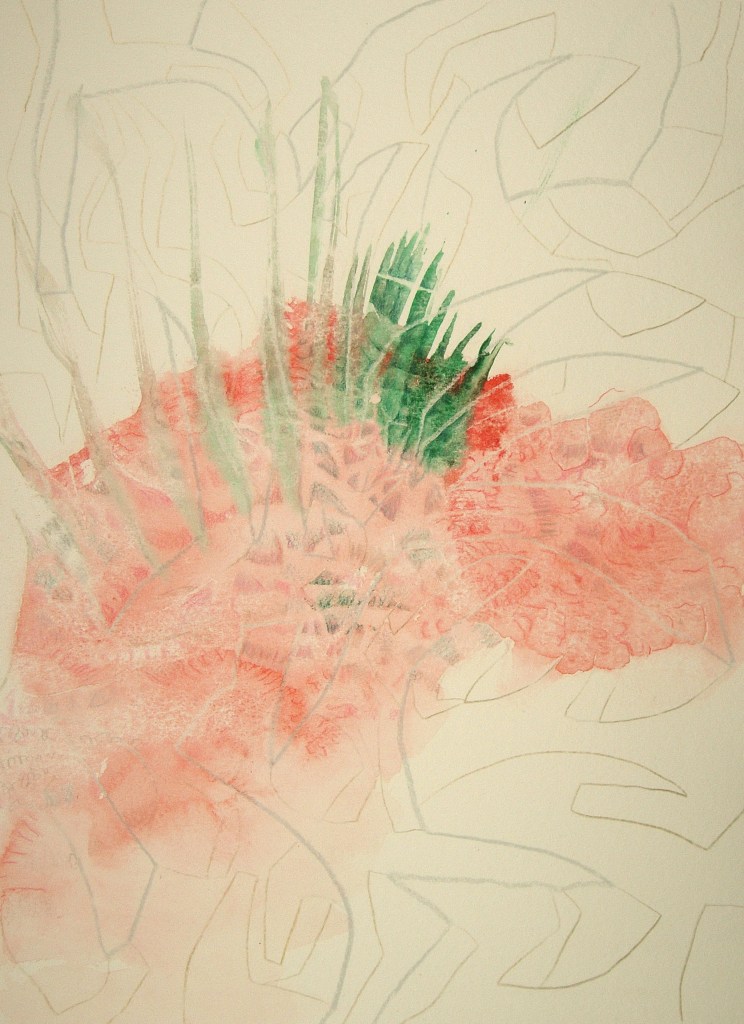
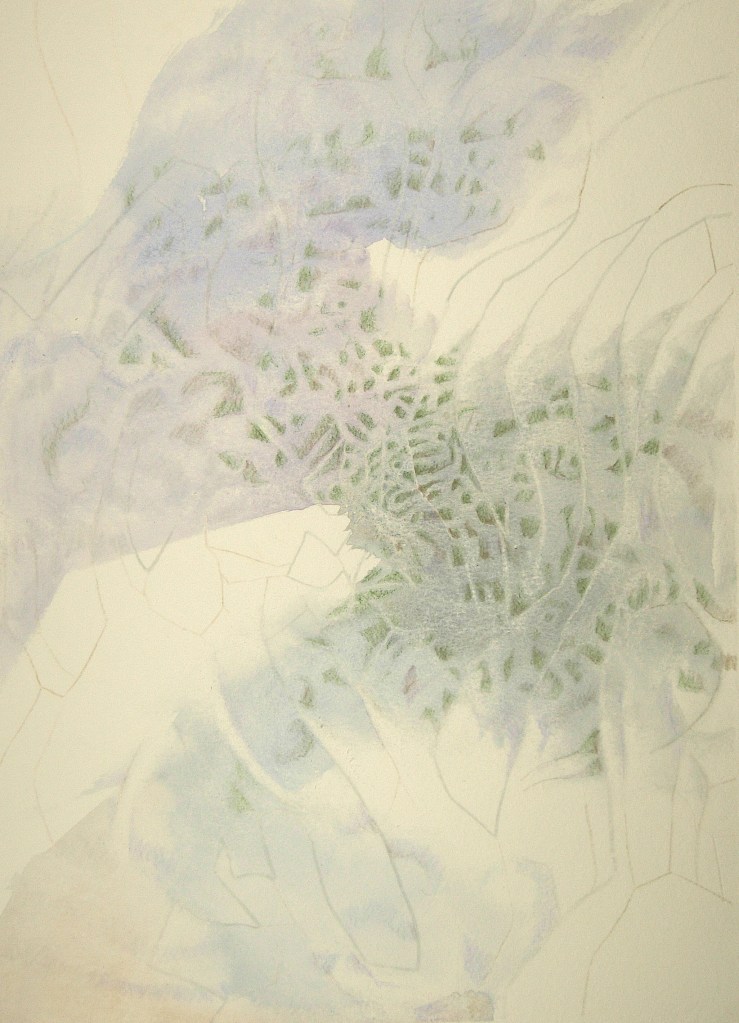
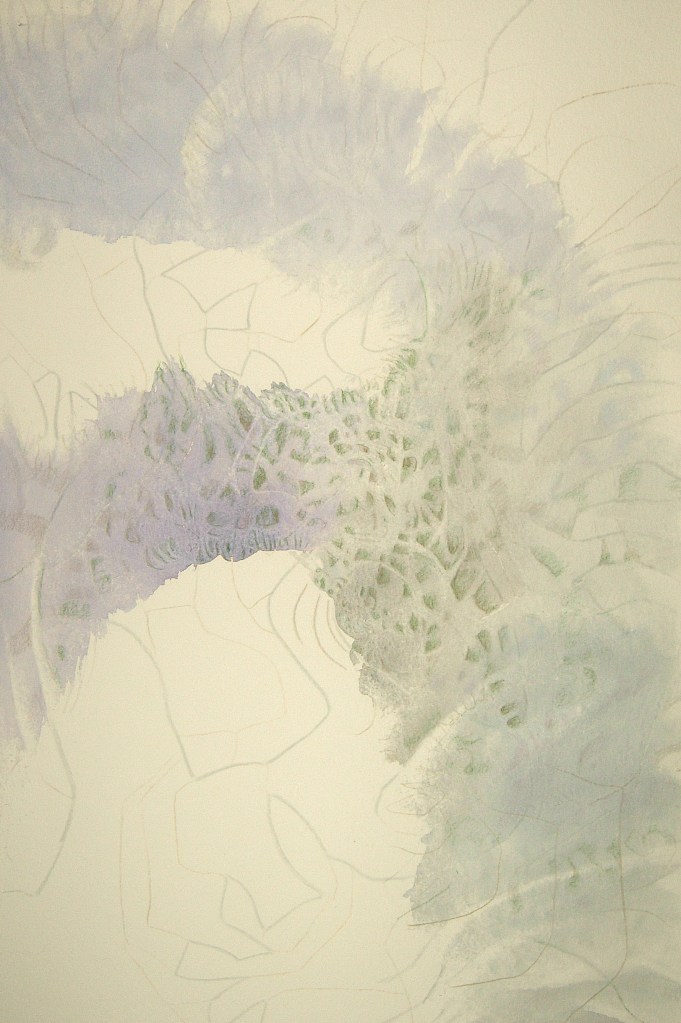
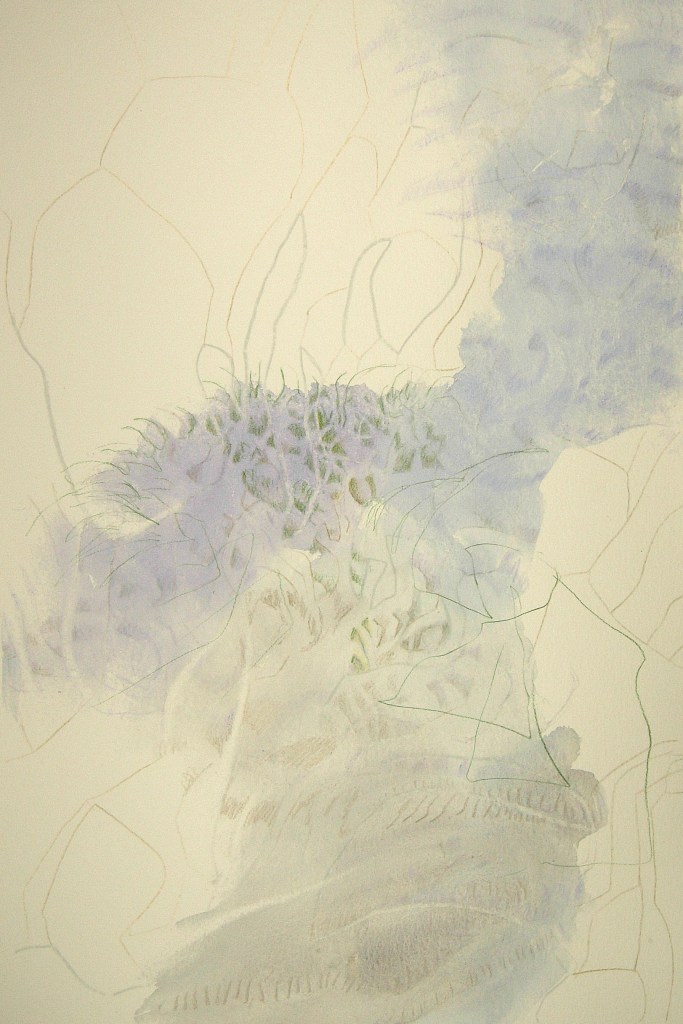
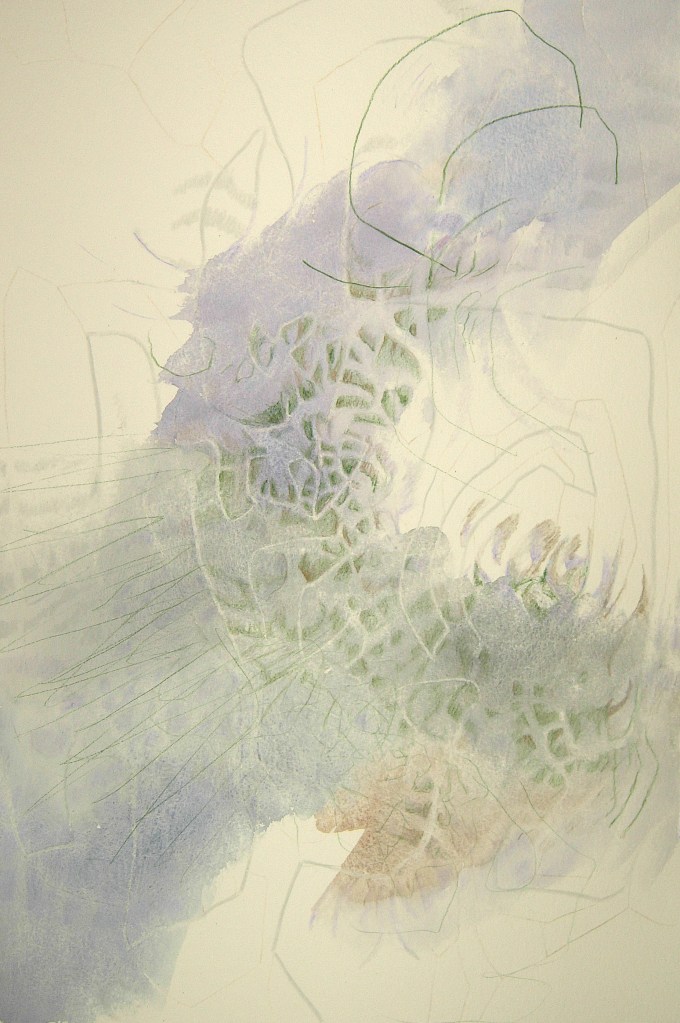
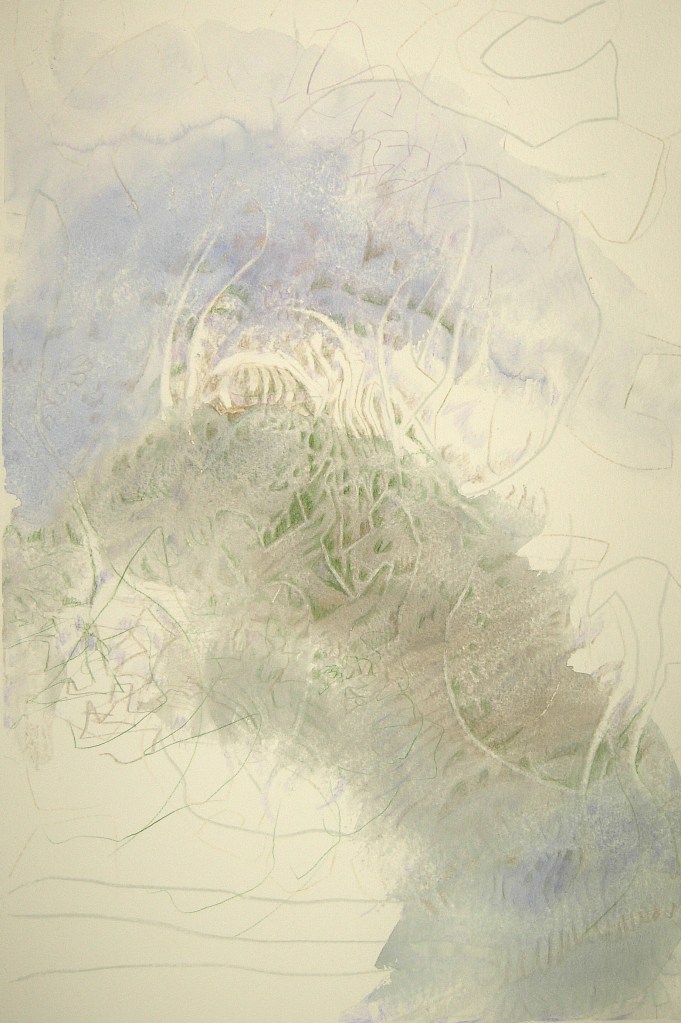
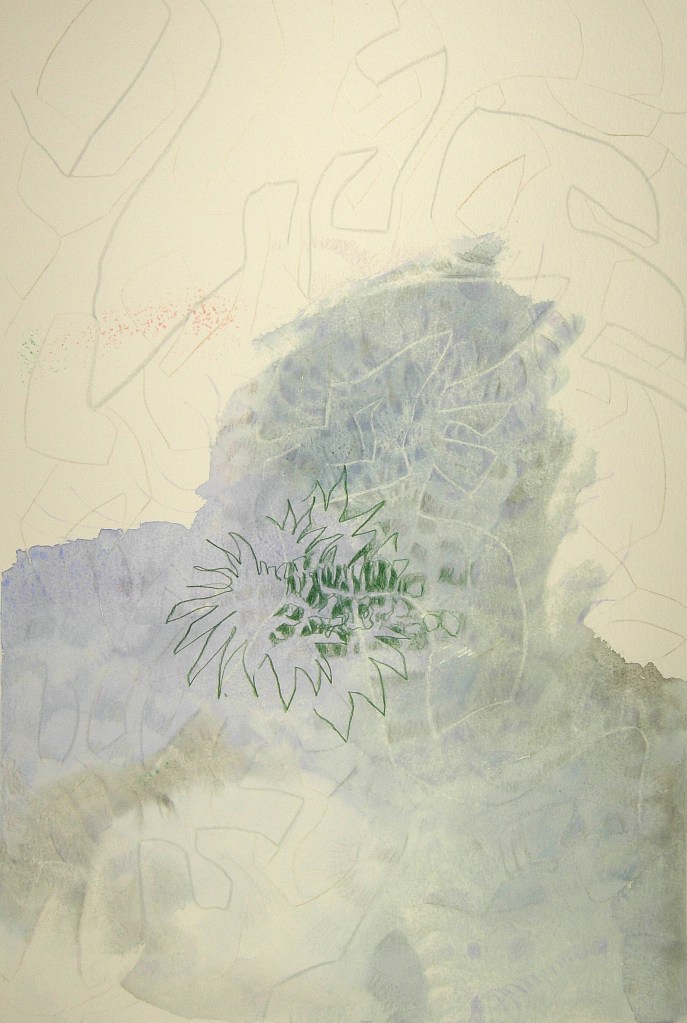
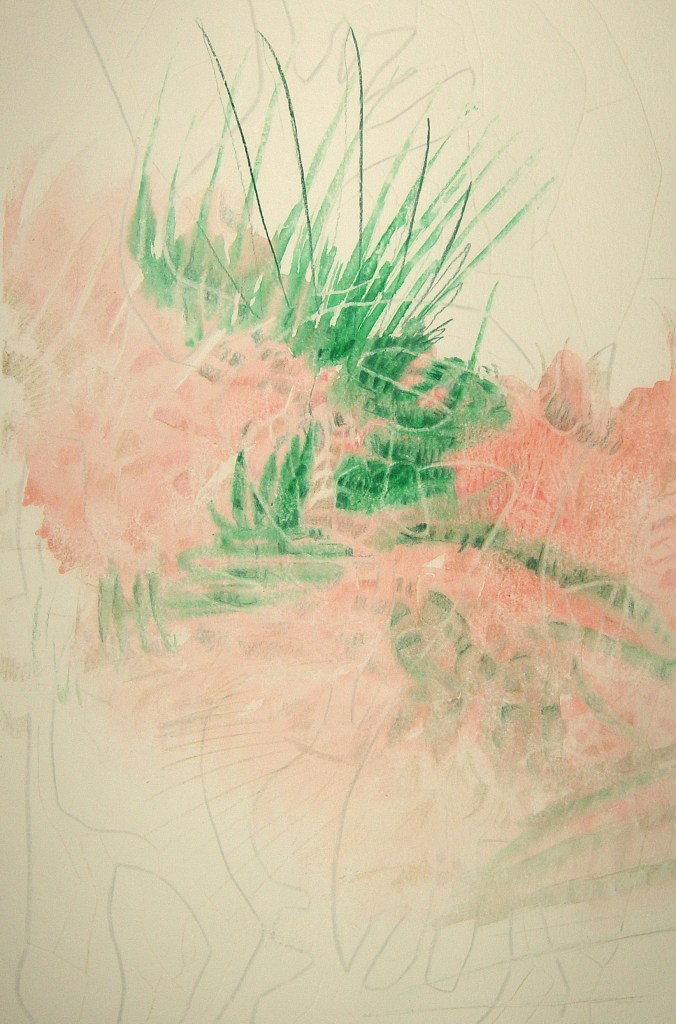
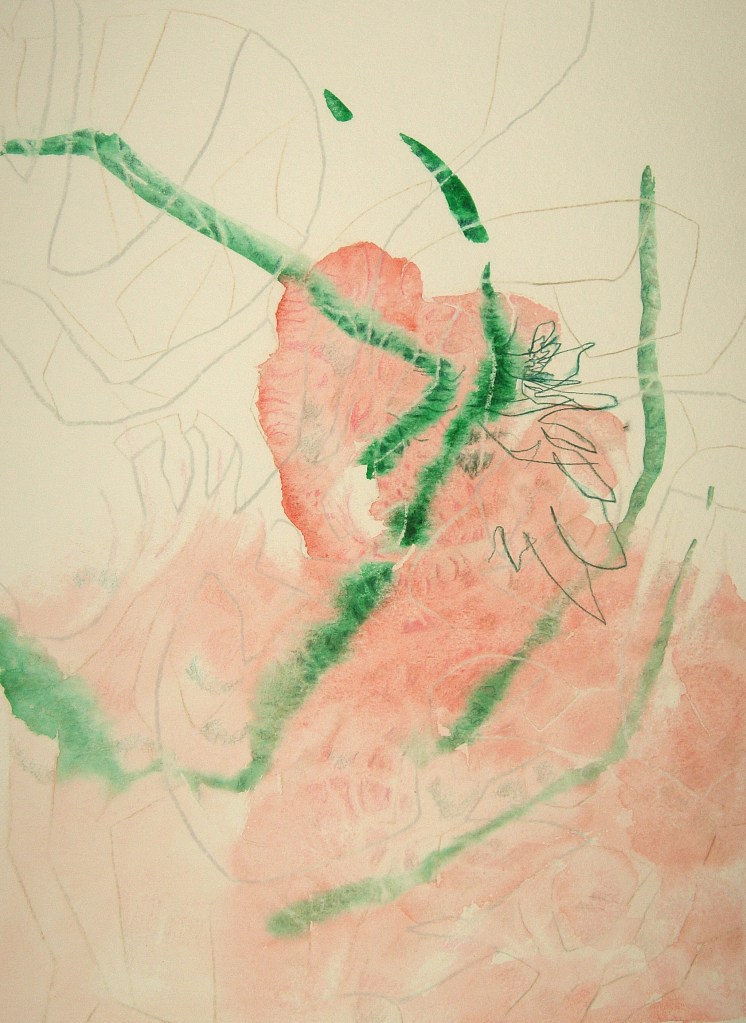
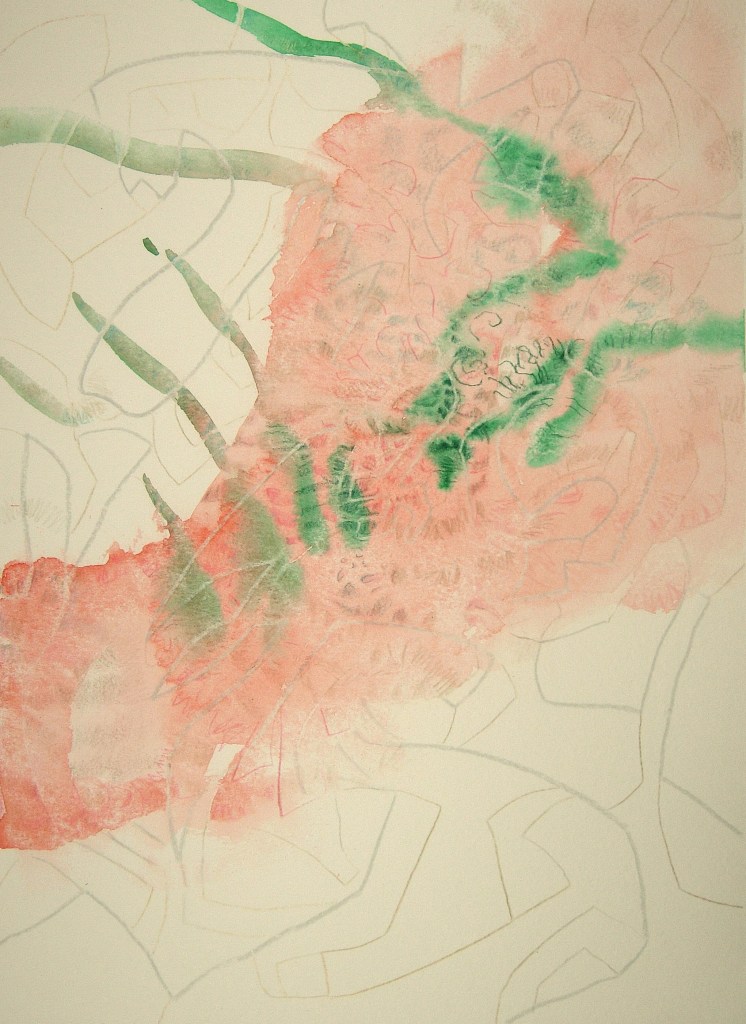
The famille verte and famille rose porcelains imported from China in the eighteenth century seduced Europeans with their luminous green and pink enamels. The Rococo spirit of the time gave birth to their porcelain versions of Les Hazards Heureux de l’Escarpolette (The Swing), where skirt’s petals melt with vegetal heart’s strings.
click on images below to enlarge




 EVE PICHER